Free 2-minute sleep check

Check your risk of sleep apnea

Daytime sleepiness is one of the most common signs of sleep apnea. Answer eight quick questions from the Epworth Sleepiness Scale, send them to us, and your score appears right away with what it means for you.
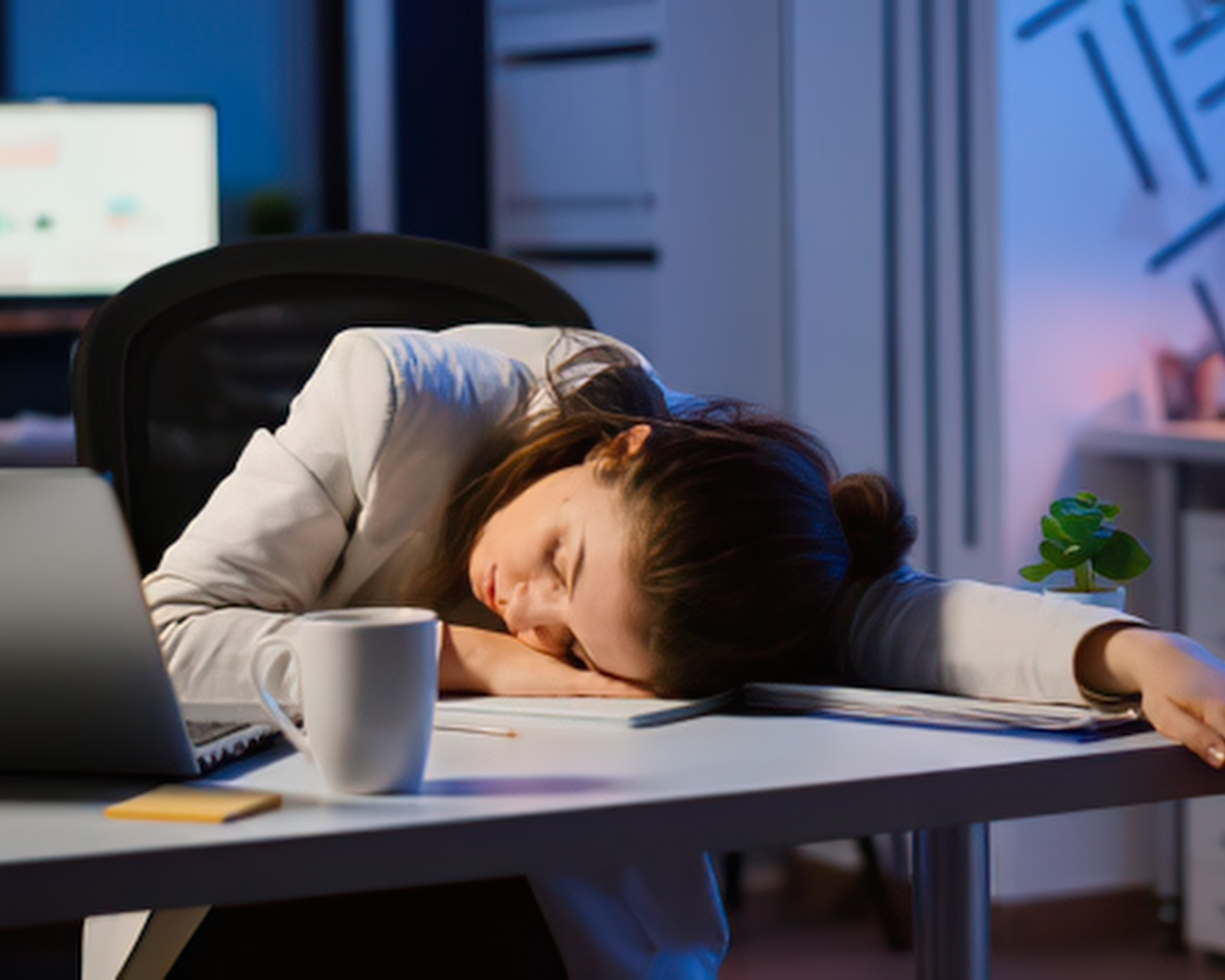
A woman has fallen asleep at her desk beside her laptop
Epworth Sleepiness Scale

How likely are you to doze off?

Think about your usual way of life lately. For each situation below, choose how likely you are to doze off or fall asleep, not just feel tired. Even if you haven't done some of these things recently, picture how they would affect you. When you send your answers, your score appears right below with what it means for you.

Thank you! Your answers are on their way to our team, and we will reach out soon. Your score and what it means are just below. Ready now? Schedule your sleep consultation online or call (804) 767-2507.

1. Sitting and reading
This is required
2. Watching TV
This is required
3. Sitting inactive in a public place (for example, a theater or a meeting)
This is required
4. As a passenger in a car for an hour without a break
This is required
5. Lying down to rest in the afternoon when circumstances permit
This is required
6. Sitting and talking to someone
This is required
7. Sitting quietly after a lunch without alcohol
This is required
8. In a car, while stopped for a few minutes in traffic
This is required
This is required
Enter your phone number Enter a valid number like +1555-123-4567
Enter an email Use an address with (@) and (.)
This is required

Something went wrong sending your answers. Please try again, or call us at (804) 767-2507.

Your results

Your Epworth score: / 24

Here is how to read your score:

0–10 Normal range of daytime sleepiness.
11–12 Mild excessive daytime sleepiness.
13–15 Moderate excessive daytime sleepiness.
16–24 Severe excessive daytime sleepiness.

A score above 10 is worth talking to us about. Sleepiness is only one sign, though. Loud snoring, gasping at night, morning headaches or high blood pressure can point to sleep apnea even with a low score. This check is a screening tool, not a diagnosis. A sleep physician makes the diagnosis after a sleep test.