Signs & symptoms of sleep apnea
Exhausted, foggy, or told you snore or stop breathing at night? These are the signs worth checking.
Don't ignore the signs of sleep apnea
What sleep apnea actually is
Sleep apnea means you briefly stop breathing while you sleep, sometimes just a few times an hour, sometimes many more. Each time, your body has to fight to get oxygen again. You may never fully wake up, so you don’t realize it’s happening, but it pulls you out of the deep sleep your body needs.
Signs you might notice at night and during the day
Loud snoring, gasping, or a partner who’s seen you stop breathing are common nighttime clues. During the day it can look like constant tiredness, morning headaches, brain fog, trouble concentrating, or mood changes like anxiety and irritability. Many people blame these on stress or age and never connect them to sleep.
In children, behavior issues are also a sign that airway and sleep issues may need addressing.
Why it’s worth taking seriously
Untreated sleep apnea raises your risk of high blood pressure, diabetes, heart attack, and stroke, and it can make conditions you already have harder to control. The good news is that once we identify it with a simple sleep test, it’s very treatable. Finding out is the first step toward feeling like yourself again.
Can I have sleep apnea if I’m not overweight?
Yes. Sleep apnea is often about anatomy, the shape of your jaw, throat, and airway, not just weight. Plenty of people who don’t fit the stereotype have it. That’s why a sleep test, not assumptions, is the way to know for sure.
I only snore. Does that mean I have sleep apnea?
Not always, but snoring can be a sign of it, so it’s worth checking. A sleep test can tell whether your snoring is harmless or part of a bigger airway problem, and we can treat either one.
My doctor never mentioned sleep apnea. Should I still get checked?
Often symptoms only come up when someone asks the right questions. If you’re tired all the time, snore, or have been told you stop breathing, it’s reasonable to get screened even if it hasn’t come up before.
Get a Good Night’s Sleep, Finally
➔ Simple screening to check your risk
➔ At-home sleep test for real answers
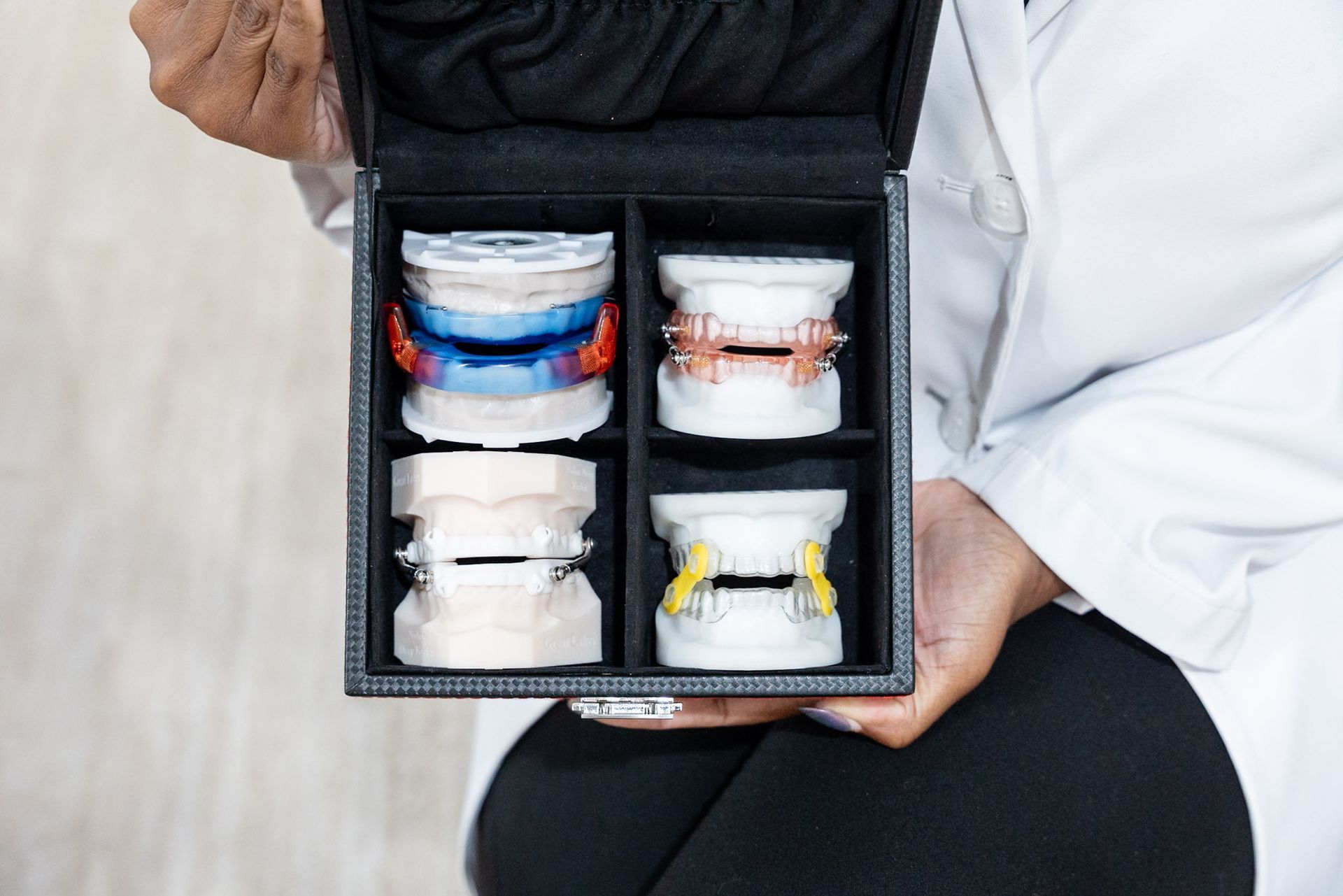
➔ Treatment that fits your life
➔ Care for both adults and children
Frequently Asked Questions
Can sleep apnea cause weight gain or make it hard to lose weight?
Yes, it can. Poor sleep from sleep apnea disrupts the hormones that control hunger and metabolism, which can make weight harder to manage. Treating your apnea and restoring real rest often makes other healthy changes feel more achievable, so it's worth getting checked.Does sleep apnea cause high blood pressure?
It can. When you repeatedly stop breathing at night, your body is under stress and your blood pressure rises. Sleep apnea is linked to high blood pressure that's hard to control, so if yours won't come down despite medication, disrupted sleep may be a hidden factor.Why do I wake up tired even after a full night's sleep?
Waking up exhausted despite enough hours often points to a sleep or airway problem. If your breathing is interrupted overnight, you never reach the deep, restorative stages of sleep, so you feel drained no matter how long you were in bed. A sleep test can tell you why.Can sleep apnea affect my memory or mood?
Yes. Ongoing poor sleep from sleep apnea is linked to brain fog, trouble concentrating, forgetfulness, and mood changes like irritability, anxiety, and depression. Many people chalk these up to stress or aging when disrupted breathing at night is the real driver, and treatment can help.Is it normal to stop breathing in your sleep?
No, regularly stopping breathing during sleep is not normal and shouldn't be ignored. It's the hallmark sign of sleep apnea, where your airway briefly collapses over and over. If a partner has noticed you gasp, choke, or go silent, it's worth getting evaluated.
Sleep and airway insights from our team
From spotting the signs of sleep apnea to understanding your treatment options, our blog breaks down what you need to know about sleeping and breathing better.