
Children's sleep & airway care in Glen Allen, VA
Sleep and airway problems don't wait for adulthood. We care for children too, generally from around age six or seven.
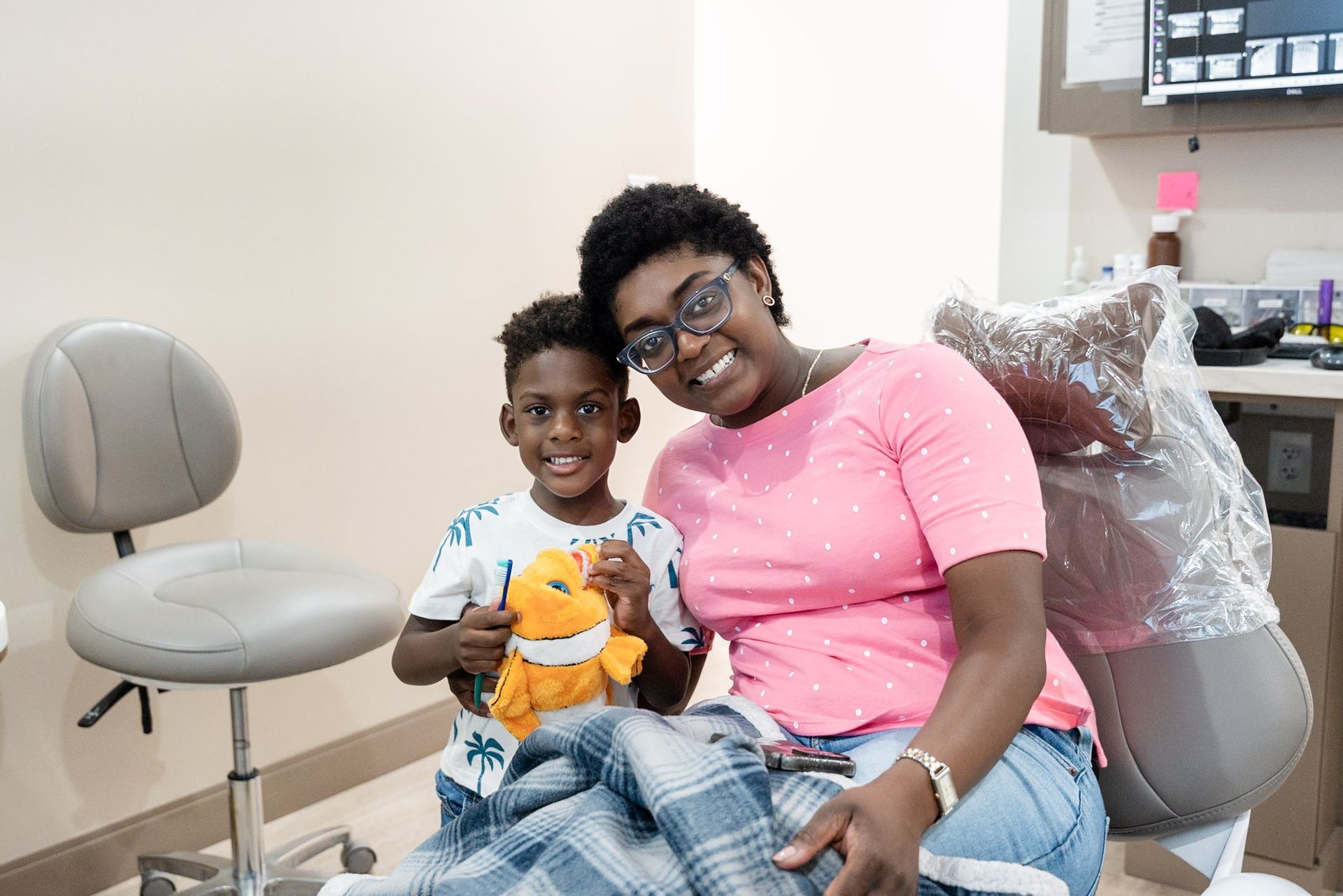
Children can have sleep and airway problems too. Snoring most nights, mouth breathing, restless sleep, bedwetting and trouble focusing are common signs. At A-Z Sleep & Airway Center in Glen Allen, Dr. Ashlee Goodman-Tabari sees children, generally from around age six or seven, and works with your pediatrician and your child's other doctors.
Gentle testing and care while your child is still growing
Kids can have airway problems too
Sleep and airway issues aren’t only an adult concern. Children can snore, breathe through their mouths, or have disrupted sleep from a narrow airway, and it can affect their focus, mood, and development. We see children too, generally from around age six or seven, because catching these patterns early matters.
What to watch for in your child
Signs worth mentioning include loud or regular snoring, mouth breathing, restless sleep, and daytime trouble with attention or irritability. Because a child’s jaw and airway are still developing, the way they breathe and swallow can shape how their airway grows, which is why early attention can make a real difference.
A gentle, family-friendly approach
We start by understanding your child’s symptoms and looking carefully at their airway and bite. Our testing is done at home in their own bed, and we explain everything in plain language so you can make confident decisions. When care calls for it, we coordinate with your child’s physician.
What you can count on
Care for kids, generally age six or seven and up
Comfortable at-home testing
Plain-language guidance for parents
Coordinated with your child’s doctor
What patients ask us
How young can a child be seen?
We generally see children from around age six or seven. If you’re noticing snoring, mouth breathing, or restless sleep in a younger child, reach out and we’ll help you understand the right next step.
Why does my child’s snoring matter?
In children, snoring and mouth breathing can affect sleep quality, focus, and how the airway develops. Looking into it early can help address problems before they grow, so it’s worth checking.
Is testing hard on a child?
No. The at-home sleep test is simple and done in your child’s own bed, which is far more comfortable than a lab. We walk your family through everything step by step.
More questions, answered
What are the signs of sleep or airway problems in children?
Watch for loud or regular snoring, mouth breathing, restless sleep, bedwetting, and daytime trouble with focus, mood, or behavior. Because tired children often seem hyperactive rather than sleepy, these signs are easy to miss. If you notice them, it's worth mentioning to us.
Can airway problems affect my child's growth or development?
They can. When a child's sleep is disrupted by an airway problem, it can affect concentration, mood, behavior, and even how the face and jaw develop, since breathing shapes growth. Addressing concerns early, while your child is still developing, can make a meaningful difference.
How is treatment for children different from adults?
Children are still growing, so care focuses on supporting healthy airway and jaw development rather than simply fitting an adult-style device. We start by understanding your child's symptoms and airway, explain everything in plain language, and coordinate with your child's physician when treatment is needed.
Is a home sleep test safe and comfortable for kids?
Yes. The at-home sleep test is painless and done in your child's own bed, which is far less stressful than an unfamiliar lab. Your child wears a small, simple device overnight, and we walk your whole family through the setup so it feels easy.
Could my child's behavior issues be related to sleep?
They might be. Poor sleep from an airway problem can look like trouble focusing, irritability, or hyperactivity during the day, symptoms that overlap with other conditions. It's worth raising with us and your pediatrician together, so both can weigh in.
Ready to stop guessing about your sleep?
If you snore, wake up tired, or have been told you stop breathing at night, the first step is simple. Call us and we will get you scheduled.