
Obstructive sleep apnea treatment in Glen Allen, VA
The most common sleep-breathing disorder, and one of the most treatable once it's found.
Diagnosed with a simple test, treated for the long run
What obstructive sleep apnea is
Obstructive sleep apnea (OSA) happens when the soft tissue at the back of your throat relaxes and blocks your airway during sleep. You stop breathing briefly, again and again, and each time your body has to rouse itself just enough to start again. To be diagnosed, you stop breathing at least five times an hour; some people stop far more than that.
How it affects your health
Because it interrupts both your oxygen and your sleep, OSA is linked to high blood pressure, diabetes, heart attack, stroke, and depression, and it can leave you exhausted and foggy during the day. It can also make conditions you already have, like blood pressure that won’t come down, harder to control.
How we treat it
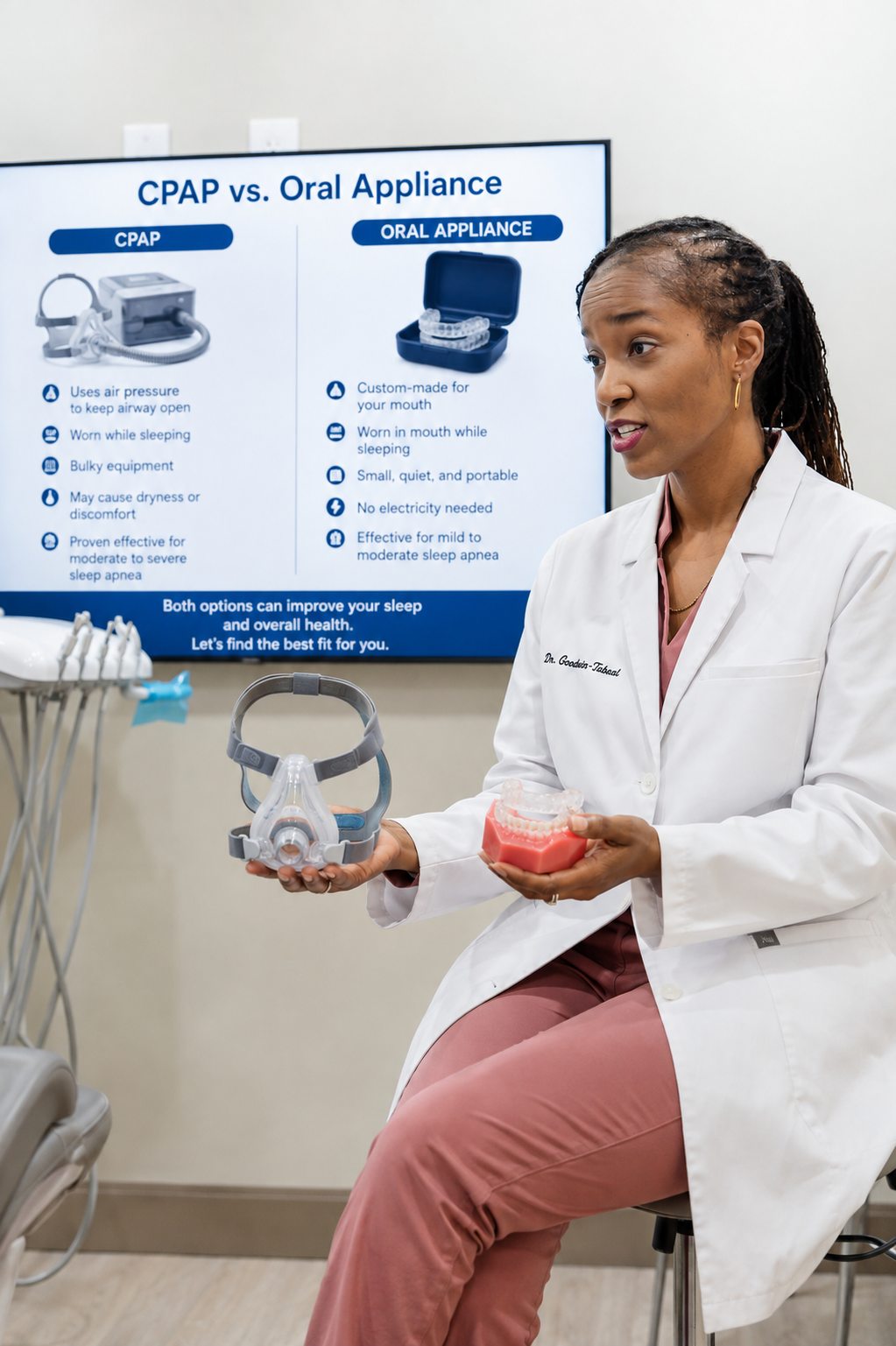
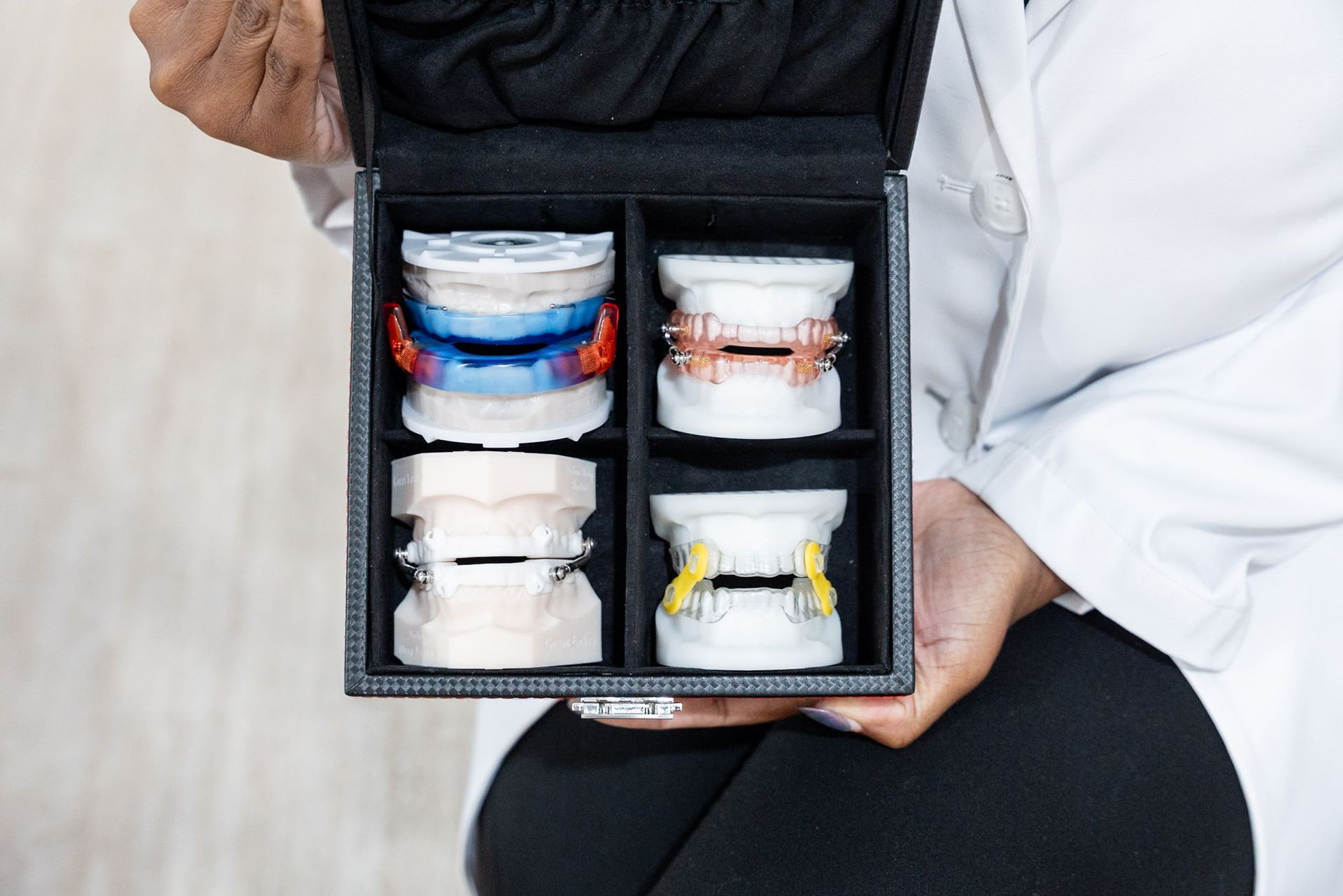
Treatment starts with a sleep study to confirm the diagnosis and its severity. For mild to moderate OSA, a custom oral appliance is often the answer. Sometimes we also incorporate myofunctional therapy into your care. For severe cases, a CPAP or a combination approach may be best. We work with sleep physicians and keep your other doctors informed so your care is coordinated.
How is obstructive sleep apnea diagnosed?
With sleep study. Ours is a simple at-home test that measures how often your breathing is interrupted overnight. The results tell us whether you have OSA and how severe it is, which guides your treatment.
Can sleep apnea really be that serious?
Yes. Untreated, it raises the risk of serious problems like heart attack and stroke, and people do die in their sleep from it. The reassuring part is that once it’s diagnosed, it’s very treatable.
Do I need a CPAP, or can I use an oral appliance?
It depends on severity. Mild to moderate OSA often responds well to a custom oral appliance, while severe cases may need CPAP or a combination. We’ll base the recommendation on your sleep study and work with your physician.

Diagnosis & Solutions for Obstructive Sleep Apnea
➔ At-home testing for a clear diagnosis
➔ Oral appliance or CPAP options
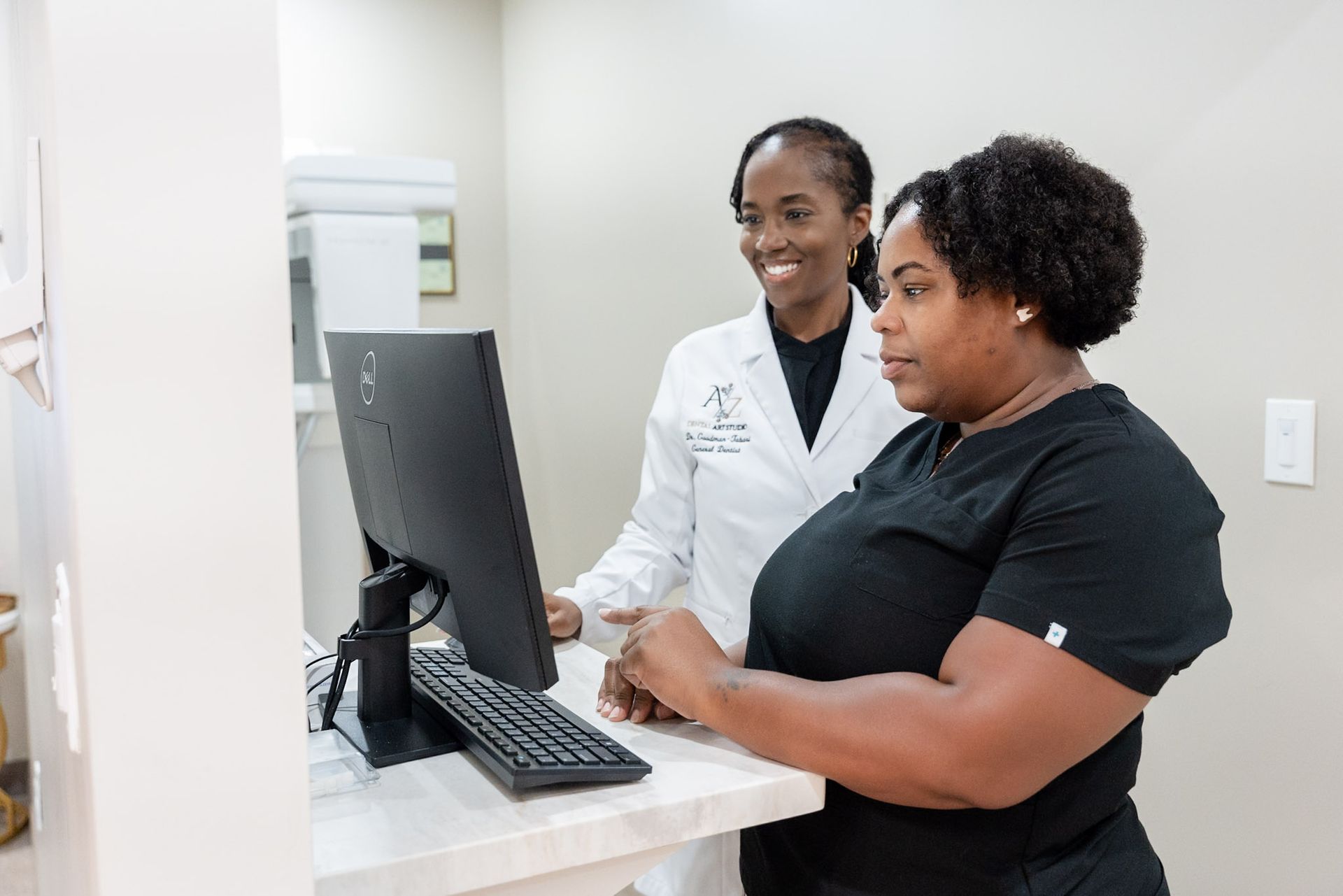
➔ Coordinated with your physicians
➔ Treatment that’s actually verified
Frequently Asked Questions
What happens if obstructive sleep apnea goes untreated?
Untreated obstructive sleep apnea raises your long-term risk of high blood pressure, heart attack, stroke, diabetes, and depression, and leaves you exhausted day to day. Because it strains your heart and body every night, getting diagnosed and treated protects both how you feel now and your future health.Can obstructive sleep apnea be cured, or only managed?
For most people, obstructive sleep apnea is managed rather than cured, much like blood pressure. The good news is that consistent treatment, such as a custom oral appliance or CPAP, controls it very effectively, so you get the benefits of healthy sleep every night you use it.Is obstructive sleep apnea the same as central sleep apnea?
No. Obstructive sleep apnea happens when your airway physically collapses and blocks airflow. Central sleep apnea is different, your brain briefly stops signaling your muscles to breathe. They need different approaches, which is why proper testing matters. We'll coordinate with a sleep physician if your results point to a central cause.Can obstructive sleep apnea affect my heart?
Yes. Each time your breathing stops, your oxygen drops and your heart works harder, which over time is linked to high blood pressure, irregular heart rhythms, and heart disease. Treating your apnea eases that nightly strain, which is one of the biggest reasons not to put it off.How do I know how severe my sleep apnea is?
Your sleep study measures how often your breathing is interrupted each hour, which places your apnea in the mild, moderate, or severe range. That number guides treatment, since milder cases often do well with an oral appliance while severe cases may need CPAP or a combined approach.
Sleep and airway insights from our team
From spotting the signs of sleep apnea to understanding your treatment options, our blog breaks down what you need to know about sleeping and breathing better.