Is Snoring Normal? Snoring Treatment in Glen Allen, VA
Snoring is so common that a lot of families laugh it off. Dr. Ashlee Goodman-Tabari, founder of A-Z Sleep & Airway Center, wants you to take it seriously: "snoring is not normal and I think the problem is that we normalized it." This guide explains what causes snoring, which signs mean it's time to get checked, and how snoring treatment in Glen Allen, VA works with our team.
Is snoring normal?
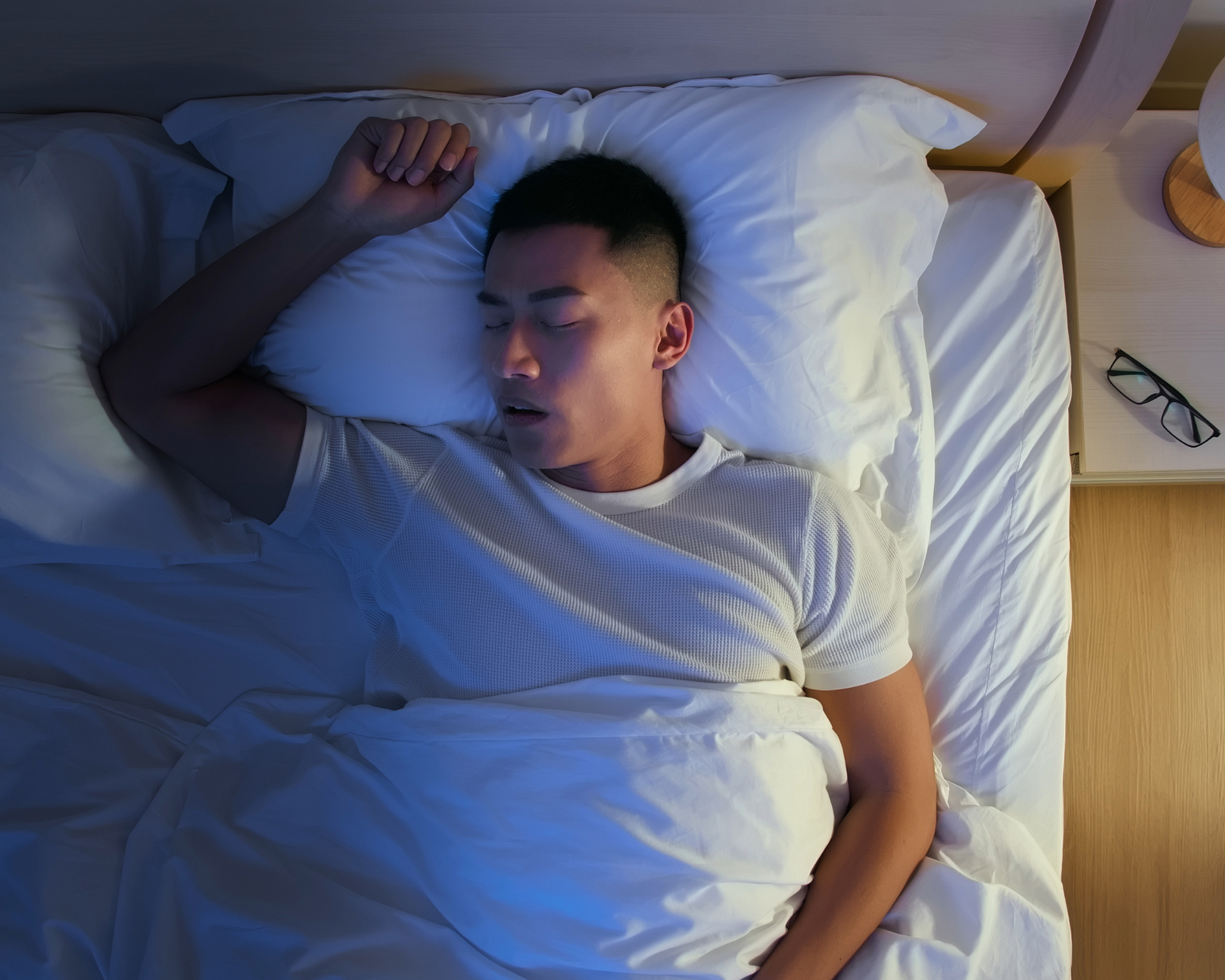
Snoring is common, and it's a sign worth checking. Snoring happens when air flows past relaxed tissue in your throat and makes it vibrate, and it can be a sign of obstructive sleep apnea, a condition where breathing repeatedly stops and starts while you sleep, according to the Mayo Clinic's overview of snoring.
Dr. Goodman-Tabari sums it up in four words: "Common doesn't mean normal." Snoring tells us air is having a harder time getting through your airway while you sleep. A sleep study shows how much that's affecting you.
What causes snoring?
Snoring comes from soft tissue in the back of your throat vibrating as you breathe. Dr. Goodman-Tabari describes it to patients this way: "It's a sound of the collapse of your tissue in the back of your throat vibrating against your airway."
The Mayo Clinic lists several factors that can narrow your airway and make snoring more likely:
- The shape of your mouth and throat, such as a low, thick soft palate
- Nasal congestion or other nasal problems
- Drinking alcohol close to bedtime
- Sleeping on your back
- Carrying extra weight
Dr. Goodman-Tabari also looks closely at your mouth. During an exam she checks your tongue position, your jaw structure and how wide your arch is. A narrow arch can leave less room for your tongue, which she links to sleep apnea.
When should you get your snoring checked?
Get your snoring checked if it comes with other signs of poor sleep. The Mayo Clinic's guide to obstructive sleep apnea lists signs such as:
- Loud snoring
- Someone noticing you stop breathing during sleep
- Waking up gasping or choking
- Morning headaches, or a dry mouth when you wake up
- Feeling very sleepy during the day
- Trouble concentrating, or mood changes such as irritability
Dr. Goodman-Tabari also asks whether you feel well rested in the morning, whether you've had high blood pressure, and whether you've been dealing with anxiety, depression or mood changes. A lot of women put mood changes down to perimenopause, and she encourages them to consider their sleep too. Her advice is simple: "it doesn't hurt just to get screened for sleep".
How does snoring treatment work at A-Z Sleep & Airway Center?
Treatment starts with finding out what's behind your snoring. Here's how our snoring treatment in Glen Allen works, step by step:
- Before your visit, you fill out a short sleep questionnaire so we understand your concerns.
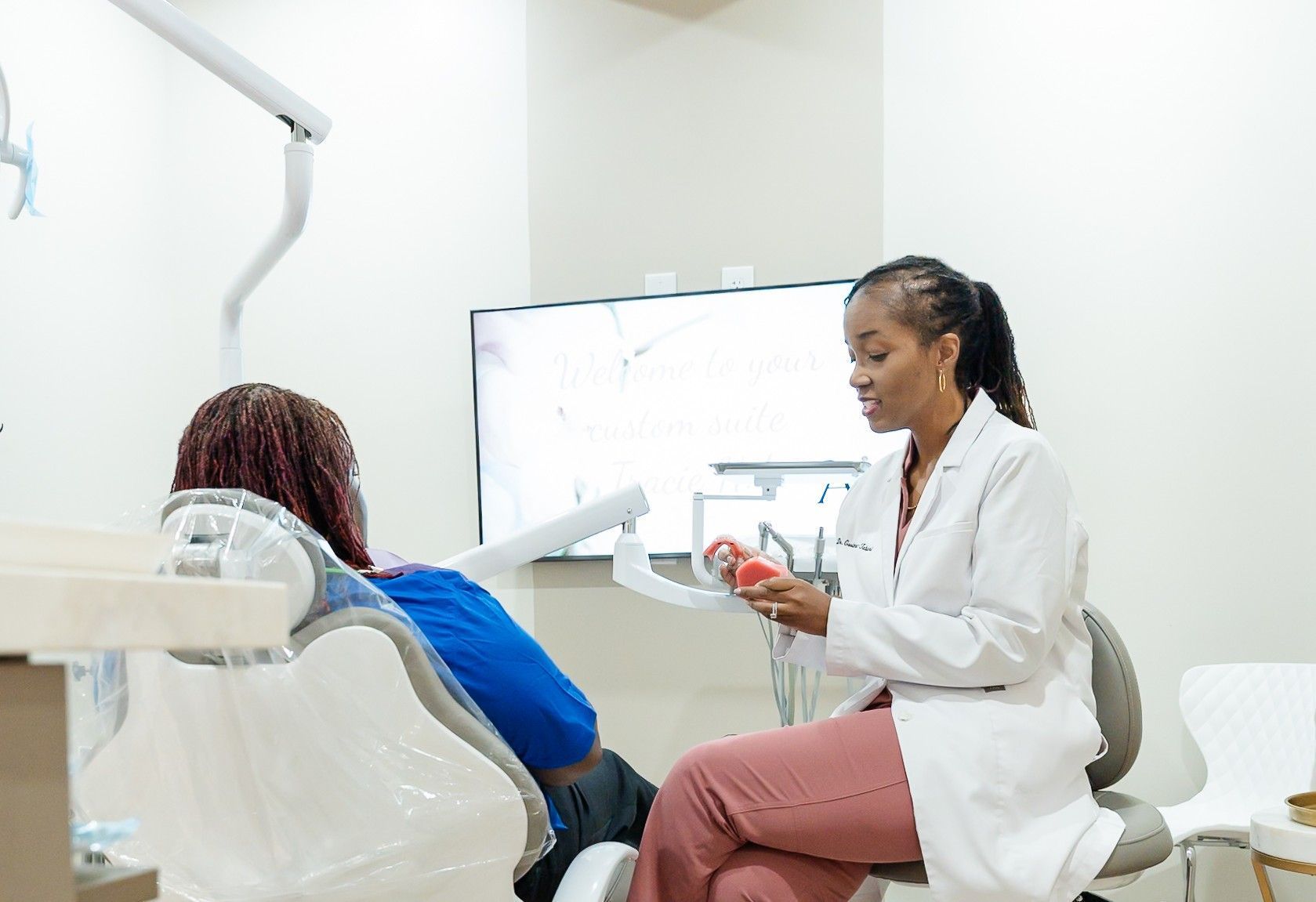
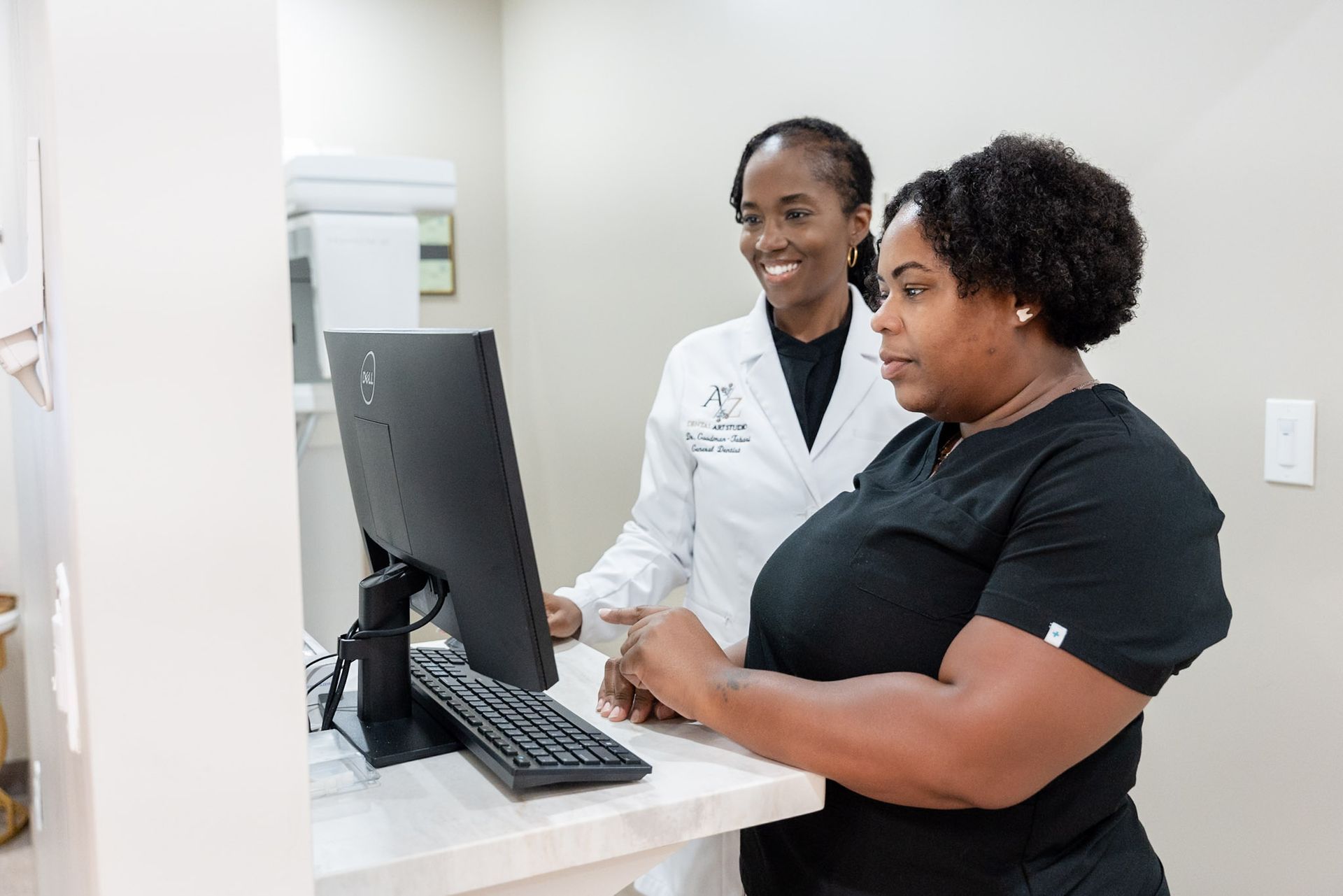
- At your consultation, we take a digital scan of your mouth and a 3D image to look closely at your bite and airway. Dr. Goodman-Tabari does a head and neck exam and reviews everything with you on screen.
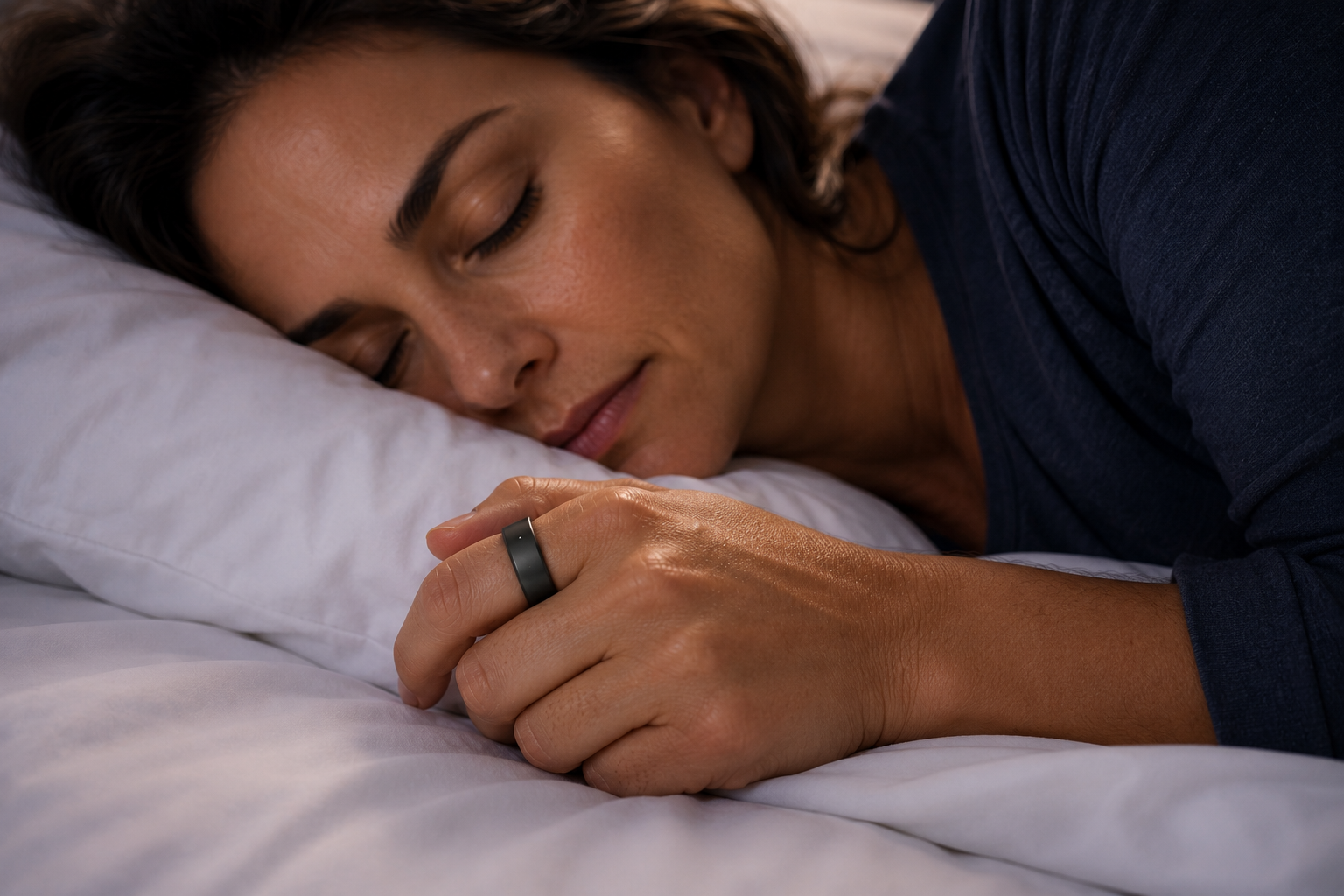
- You take a sleep study at home, in your own bed, with a small wearable device. Your results come back to us the next day, and a physician reviews them, since physicians are the ones who diagnose sleep disorders.
- Your results show whether snoring, sleep apnea or another airway issue is behind how you feel, and we walk you through your options.
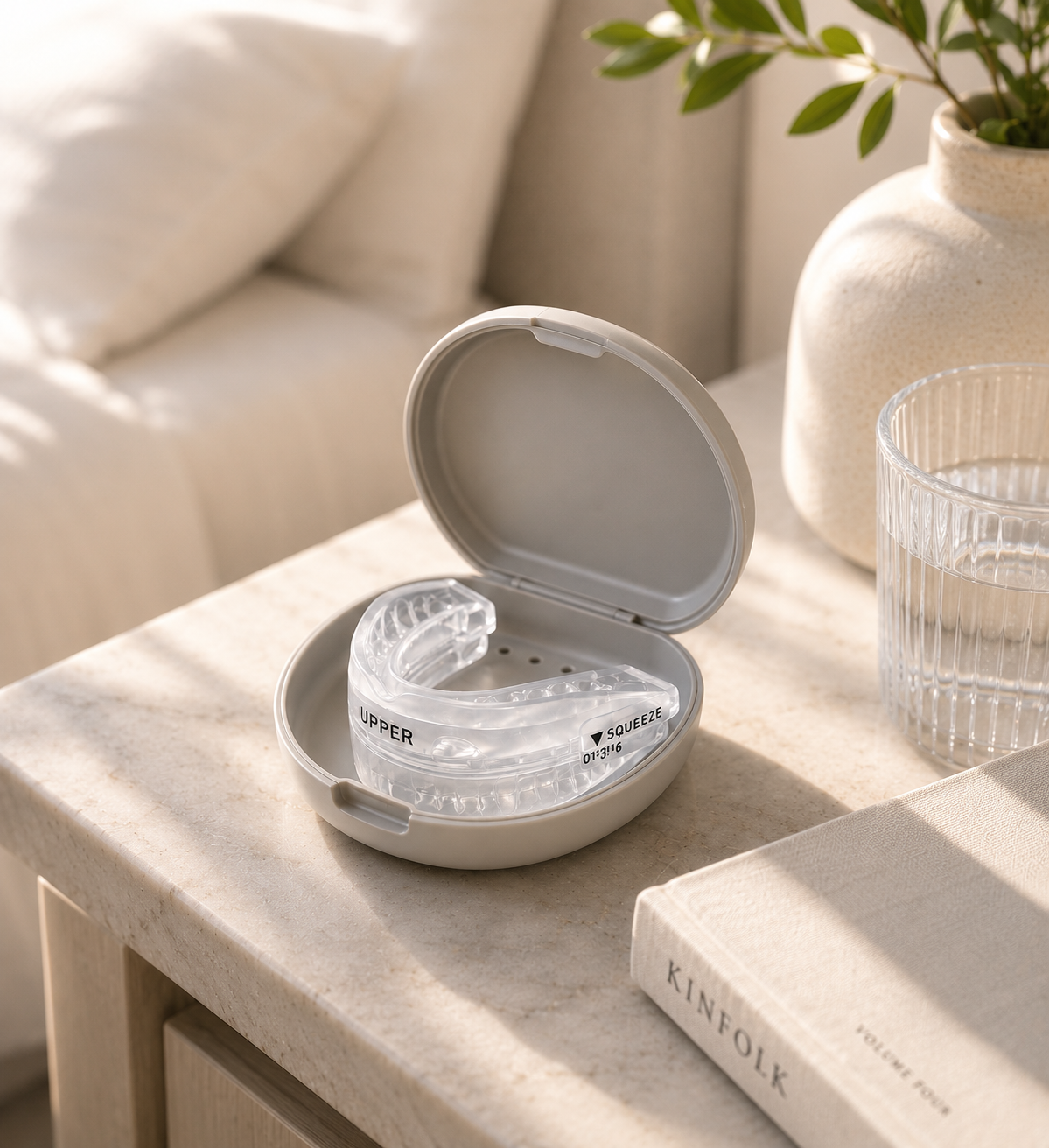
- If a custom oral appliance is right for you, we design it from your digital scan. Then we retest to confirm you're getting enough oxygen and make adjustments until your treatment works.
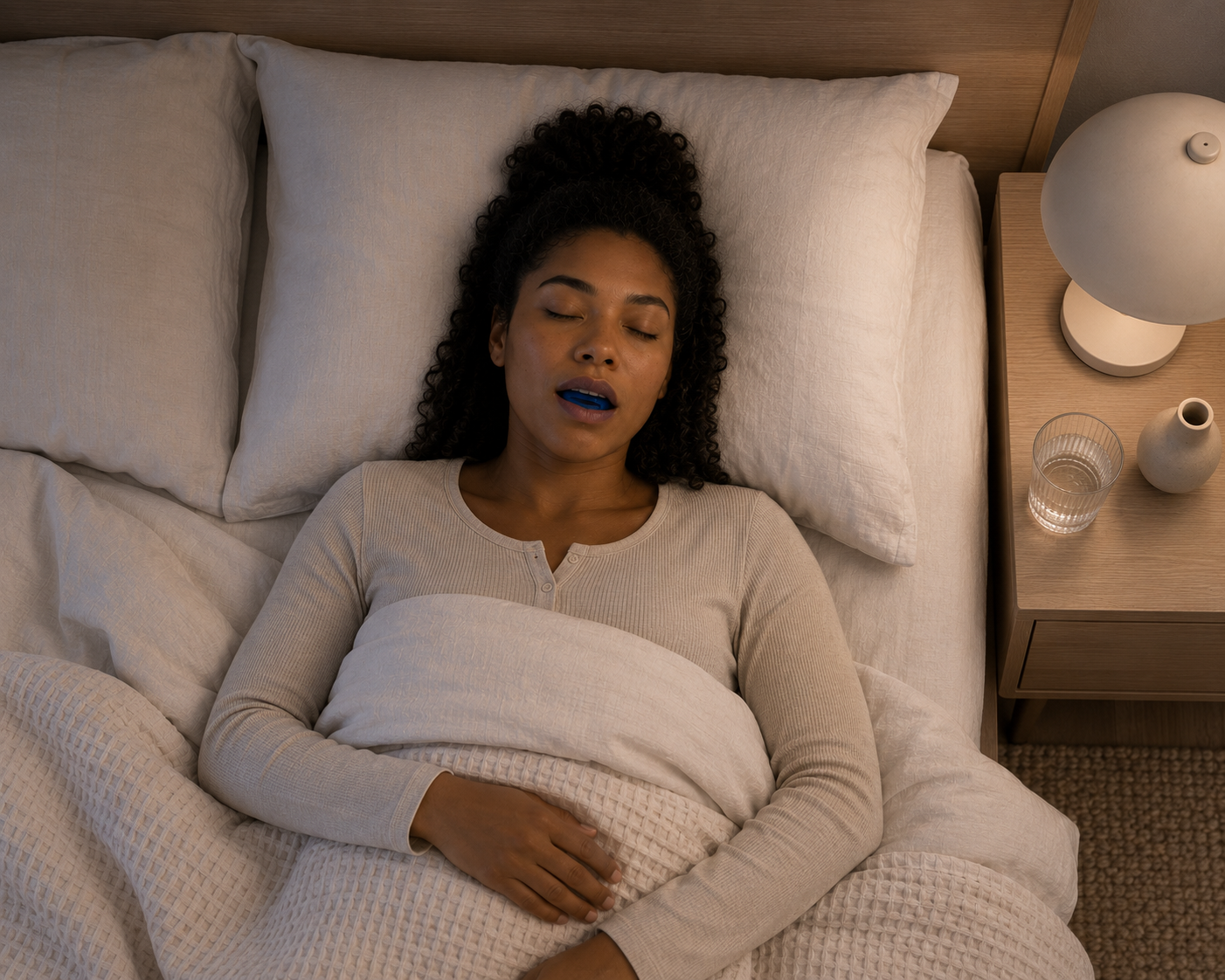
Oral appliances are mouthpieces fitted to your teeth that move your jaw and tongue forward to help keep your airway open, as the Mayo Clinic explains in its snoring treatment guide. Our sleep and airway care is billed through your medical insurance, and our team handles the billing for you. Deductibles still apply.
Why do Glen Allen patients choose A-Z Sleep & Airway Center for snoring treatment?
Patients choose us because Dr. Goodman-Tabari knows this treatment from the patient's side. She lives with sleep-disordered breathing herself and treats it with an oral appliance, so she understands how much better life feels once your airway is supported at night.
She's a Dental Sleep Medicine Provider, and she and our whole team completed a mini residency on sleep together. A-Z Sleep & Airway Center is a dedicated sleep practice, so your screening, testing and treatment happen under one roof. When your care calls for a sleep physician or coordination with your primary doctor, we take that on for you.
You'll find us inside the Shops at Cross Ridge, just off Staples Mill Road, with plenty of parking right out front. Same-week appointments are available.
What else do patients ask about snoring?
Can a dentist help with snoring?
Yes. Dr. Goodman-Tabari is a Dental Sleep Medicine Provider who designs custom oral appliances from a digital scan of your mouth. A physician reviews your sleep study results and makes the diagnosis, and we work with your other doctors so your care is coordinated from start to finish.
Do I need a sleep study if I only snore?
Yes, a sleep study is the first step at our center. It shows whether snoring, sleep apnea or another airway issue is behind how you feel, which tells us which treatment fits you. You take the study at home in your own bed with a small wearable device, and the results reach us the next day.
Can you snore or have a sleep disorder without being overweight?
Yes. Carrying extra weight raises the risk of snoring, and it's one factor among several. Dr. Goodman-Tabari reminds patients that "you don't even have to be overweight to have a sleep disorder." She checks for airway factors that have nothing to do with weight, such as a narrow arch.
If snoring is keeping you or someone you love awake, we'd love to help you find out why. Call us at (804)-767-2507 or book your consultation online.
Published by A-Z Sleep & Airway Center.