Which Oral Appliance Is Right for You? Four Designs, Explained

A-Z Sleep & Airway Center • October 6, 2026

Share this article

If you've been told an oral appliance could help your snoring or sleep apnea, you might picture one generic mouthpiece and worry it won't suit your teeth, your bite or the way you sleep. In fact, custom sleep appliances come in several designs, and the right one depends on things like missing teeth, grinding and claustrophobia. At A-Z Sleep & Airway Center in Glen Allen, Dr. Ashlee Goodman-Tabari chooses the design around you.

What every sleep appliance has in common

A custom sleep appliance, sometimes called a mandibular advancement device, gently holds your lower jaw forward while you sleep. That keeps your tongue and the soft tissue at the back of your throat from falling back and crowding your airway, so air can move more freely. MedlinePlus describes these dental devices as something "you wear in your mouth while you sleep to keep your jaw forward and the airway open." ( MedlinePlus)

The American Academy of Sleep Medicine and the American Academy of Dental Sleep Medicine recommend oral appliances for adults with primary snoring and for adults with obstructive sleep apnea who can't tolerate CPAP or prefer another treatment. They suggest a custom, adjustable appliance made by a qualified dentist over a non-custom device, along with follow-up sleep testing to confirm it's working. ( AASM)

"Every appliance is selected based on your needs," Dr. Goodman-Tabari says. Here are the designs she reaches for most.

Four designs, and who each one suits

Missing teeth or dentures: a dorsal-style design

If you're missing back teeth, you may assume an oral appliance isn't possible. A dorsal-style design still gives your jaw stability and holds it forward when teeth are missing, and it can even work with dentures. "We can even make an appliance for people with no teeth," Dr. Goodman-Tabari says.

Grinding or clenching: a Herbst-style design

If you grind or clench at night, a rigid appliance can feel like something to fight against. A Herbst-style design lets your jaw move, open and close freely while it keeps your lower jaw forward. That freedom makes it a good match for grinders, who may still grind while their treatment is being fine-tuned.

Claustrophobia or veneers: a thinner milled design

For people who feel claustrophobic with anything bulky in their mouth, or who have veneers and don't want a rigid device pressing on cosmetic work, there's a thinner, lighter version of the same design milled from one solid piece. It feels less noticeable and is very durable.

Snoring without breathing pauses: a simpler snoring appliance

If your sleep study shows that you snore but don't stop breathing, you may not need a more complex design. A simpler, more flexible snoring appliance is often comfortable and effective for quieting snoring on its own.

How we choose the right design for you

The choice starts with your sleep study. A sleep physician we work with reads your results and gives you a diagnosis, so we know whether we're treating snoring, sleep apnea or upper airway resistance syndrome. Then Dr. Goodman-Tabari looks at how many teeth you have, whether you grind, whether you breathe through your mouth and how you feel about having something in your mouth at night.

From there, we take a 3D scan of your mouth and find a comfortable forward position for your jaw. The appliance is made by a dental lab and is usually ready in about three weeks. We show you a model first, so you can see how light it is before you commit.

We make sure it's working

An appliance isn't finished the day you get it. We adjust it until it feels comfortable and then arrange a follow-up sleep study to confirm your breathing and oxygen have improved. "We don't just give them the device and say here you go," Dr. Goodman-Tabari says. "No, we actually make sure it's working."

For a side-by-side look at custom appliances and store-bought mouthpieces, see our custom vs. over-the-counter page.

Common questions about choosing an oral appliance

What are the different types of sleep apnea mouthpieces?

Custom sleep appliances share one job, holding your lower jaw forward, but they differ in how they're built. Common designs include dorsal-style appliances for missing teeth, Herbst-style appliances that allow jaw movement for grinders, thinner milled versions for comfort, and simpler appliances for snoring alone. Dr. Goodman-Tabari chooses the design in Glen Allen.

Can I get an oral appliance if I'm missing teeth?

Often, yes. A dorsal-style design can hold your jaw forward even when back teeth are missing, and appliances can be made for people who wear dentures. We'll look at your teeth and bite at your consultation in Glen Allen and tell you what's possible for you.

Which oral appliance is best if I grind my teeth?

A design that lets your jaw move freely, such as a Herbst-style appliance, is usually the most comfortable choice for people who grind. It keeps your jaw forward without locking it in place. Grinding can also be a clue to an airway problem, so we'll talk about a sleep study too.

How long does it take to get a custom sleep appliance?

After your diagnosis and a 3D scan of your mouth, the appliance is made by a dental lab and is typically ready in about three weeks. We then fit and adjust it with you and confirm with a follow-up sleep study that it's working.

Find the appliance that fits you

Missing teeth, grinding or feeling claustrophobic doesn't rule you out. Call us at (804) 767-2507 or request a consultation at our Glen Allen office. If you haven't had a sleep study yet, start with our home sleep test.

Recent Posts

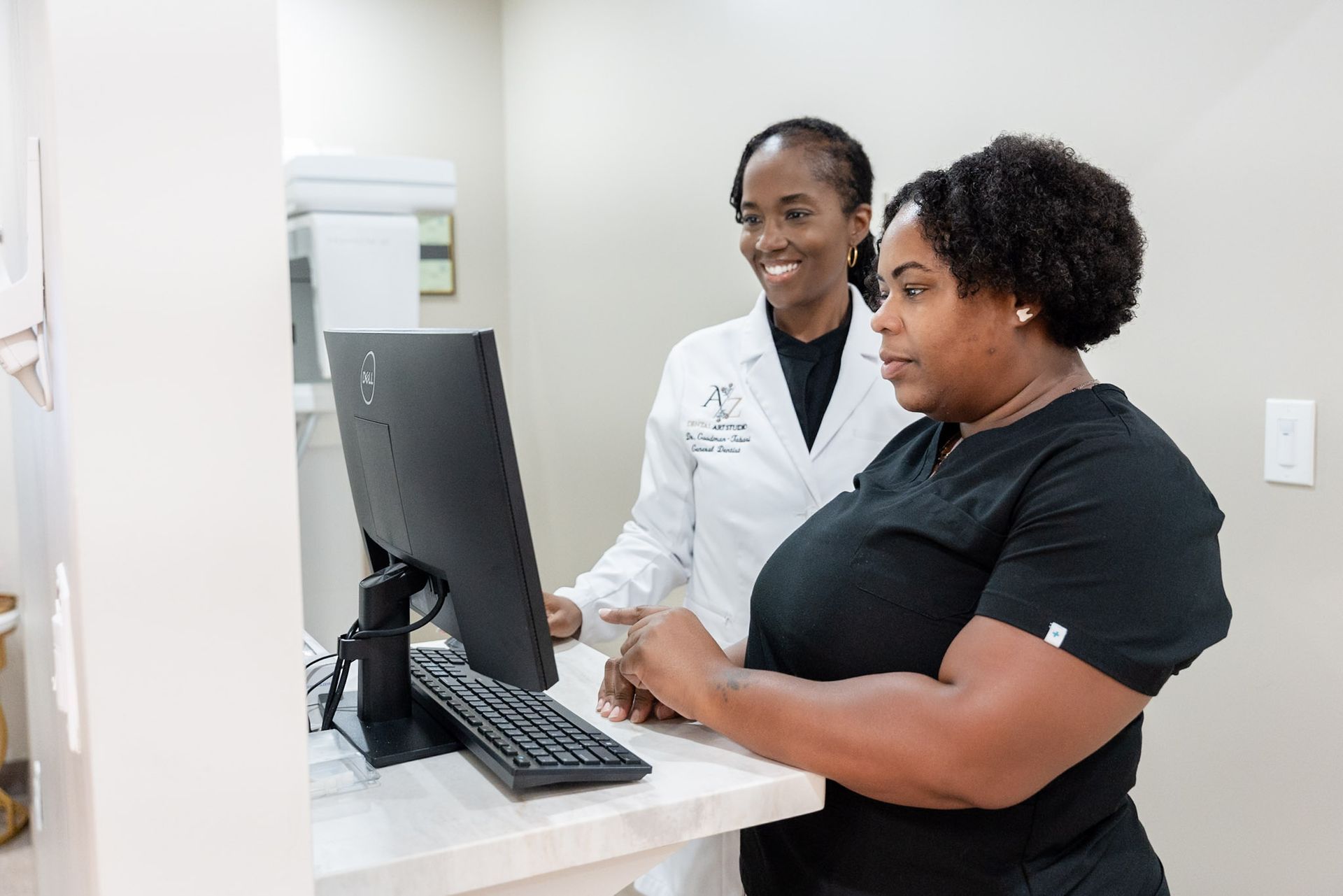
Dr. Goodman-Tabari and a team member reviewing a screen
By A-Z Sleep & Airway Center • November 1, 2026
A sleep physician makes the diagnosis. A trained dentist makes and fits your sleep appliance. How they work together in Glen Allen, VA. (804) 767-2507.

Dr. Ashlee Goodman-Tabari holding custom oral appliance models at A-Z Sleep & Airway Center
By A-Z Sleep & Airway Center • October 26, 2026
What to expect at your oral appliance consultation in Glen Allen, VA: a digital scan, an airway image, an exam and a home sleep test. Call (804) 767-2507
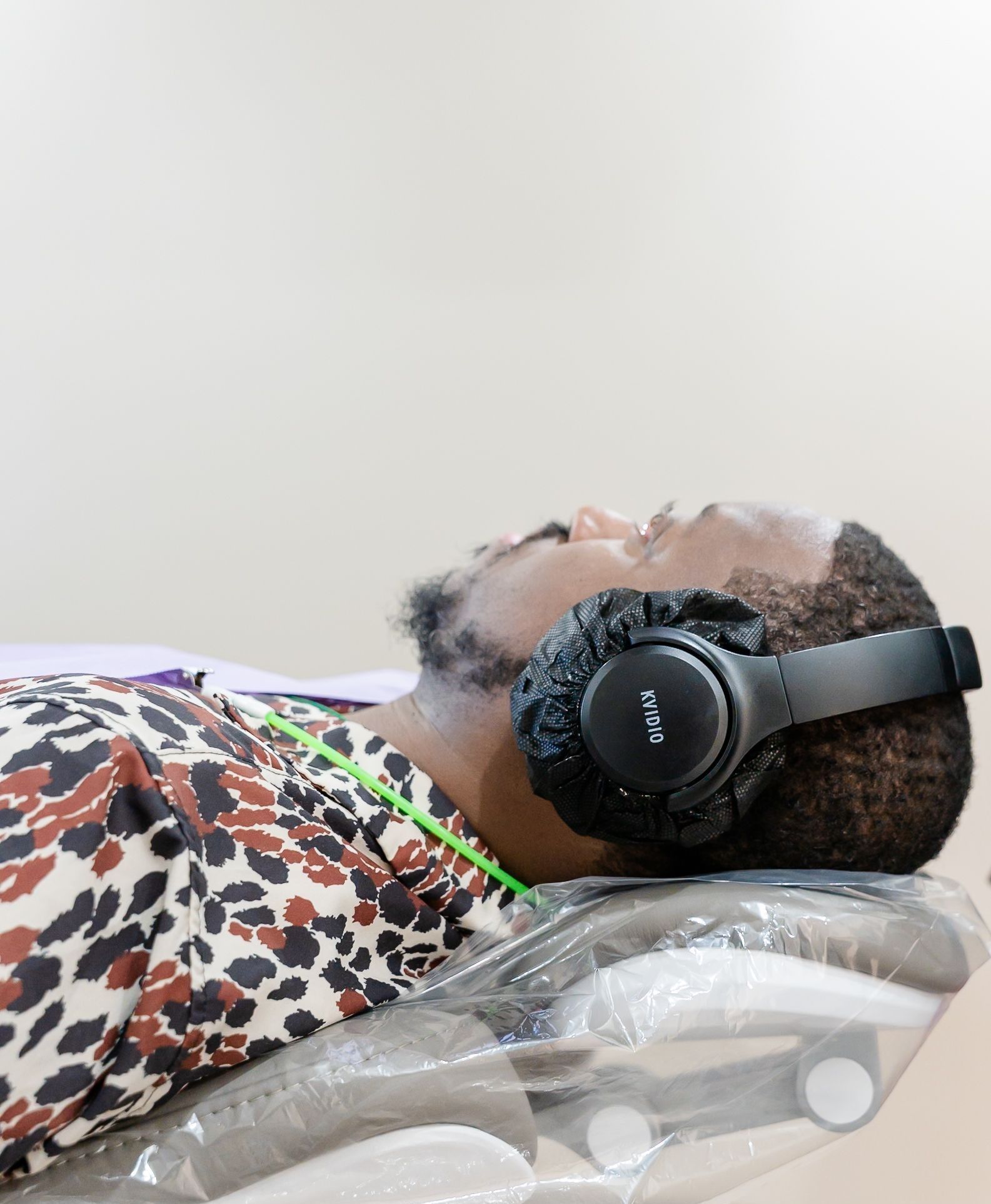
A relaxed patient reclines with headphones on at A-Z Sleep & Airway Center in Glen Allen, VA
By A-Z Sleep & Airway Center • October 15, 2026
Snoring is the sound of a body struggling for air. Learn when to get it checked and how we test and treat snoring in Glen Allen, VA. Call (804)-767-2507.
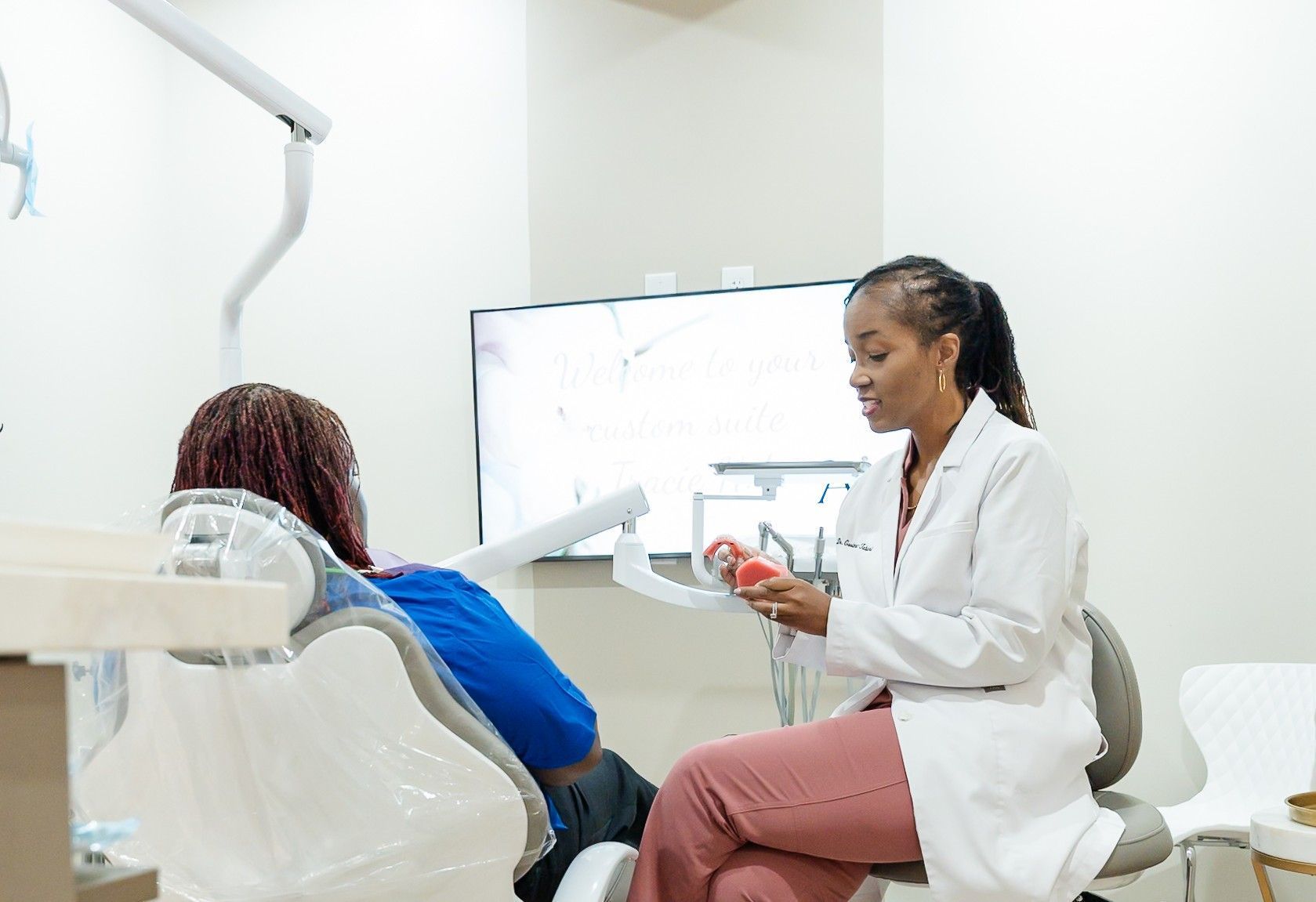
Oral appliance consultation at A-Z Sleep & Airway Center in Glen Allen, VA
By A-Z Sleep & Airway Center • October 8, 2026
Oral appliances for sleep apnea are billed to medical insurance, not dental. Learn what's covered and what you may pay for sleep care in Glen Allen, VA.
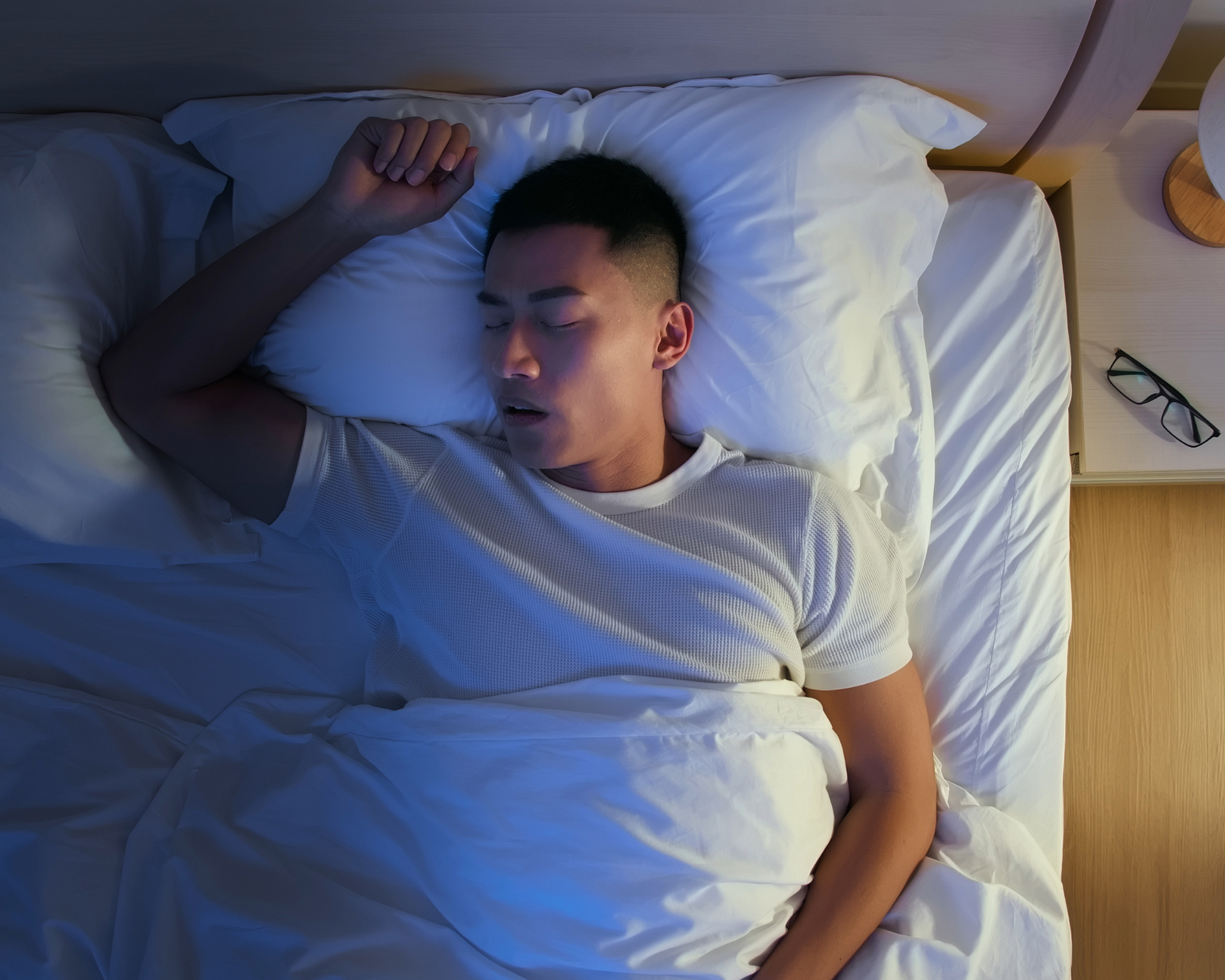
A man asleep on his back with his mouth open
By A-Z Sleep & Airway Center • October 6, 2026
Grinding and clenching at night often travel with snoring and sleep apnea. Why a night guard isn't the whole answer, from a Glen Allen sleep practice.

A tired woman rests her head on her arm at the table, holding a coffee mug
By A-Z Sleep & Airway Center • October 6, 2026
Dr. Ashlee Goodman-Tabari has upper airway resistance syndrome. What UARS is, why a normal sleep test can miss it, and how it's treated in Glen Allen, VA.
A young girl asleep in bed, breathing through her mouth
By A-Z Sleep & Airway Center • October 6, 2026
Why some people breathe through their mouth at night, how it connects to snoring and sleep apnea, and what a Glen Allen sleep practice checks for.
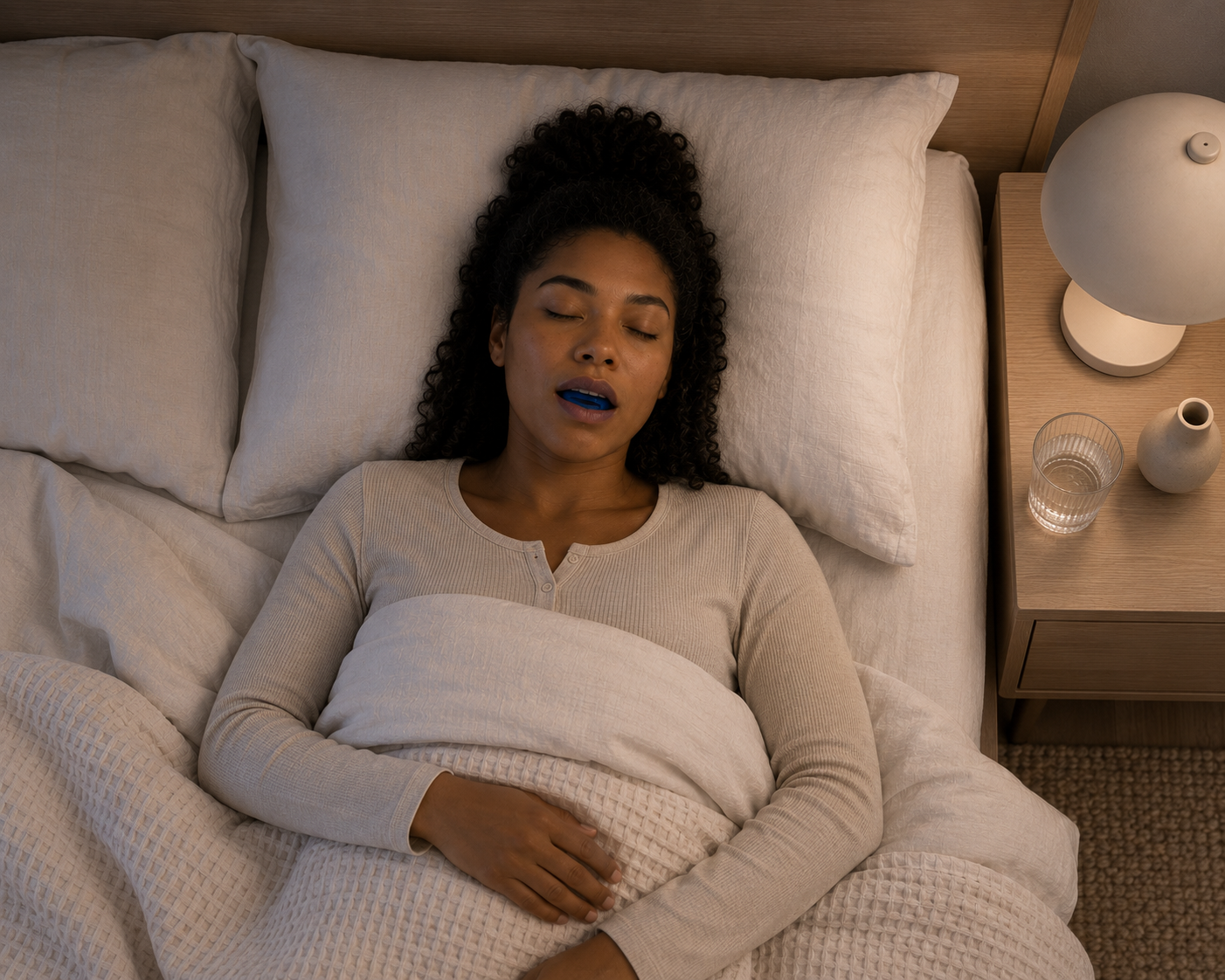
A woman asleep in bed wearing an oral sleep appliance
By A-Z Sleep & Airway Center • October 5, 2026
What's normal in your first weeks with a sleep apnea oral appliance, what isn't, and why we retest, from A-Z Sleep & Airway Center in Glen Allen, VA.

A tired man yawns at his desk with his hand on his forehead
By A-Z Sleep & Airway Center • October 5, 2026
Blood pressure that stays high despite medication can be linked to sleep apnea. How the two connect, and how to get tested, from a Glen Allen sleep practice.
A woman asleep wearing a ring-style home sleep test on her finger
By A-Z Sleep & Airway Center • October 5, 2026
What your AHI number, oxygen readings and severity rating mean after a sleep study, and what comes next, from a Glen Allen sleep and airway practice.
Show More