Mouth Breathing at Night: What It Can Mean for Your Sleep
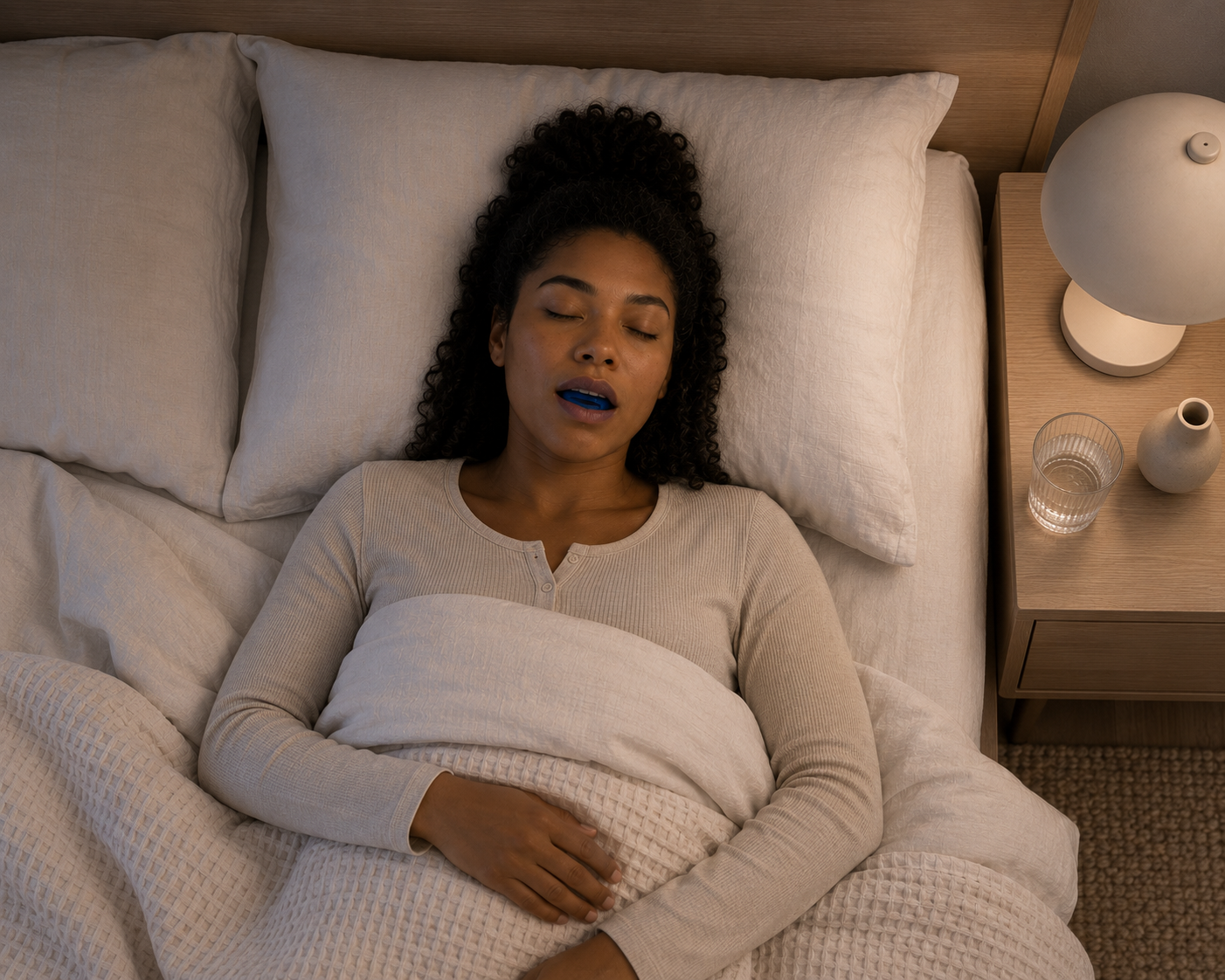
If you wake up with a dry mouth, a sore throat or a partner telling you your mouth hangs open all night, it's natural to wonder whether that matters. Mouth breathing at night is usually your body's workaround when air can't move easily through your nose, and it often travels with snoring and poor sleep. In Glen Allen, we look at why it's happening, from your jaw and airway to your nose, and whether a sleep study makes sense for you.
Why some people breathe through their mouth at night
Your nose is built to be the main route for air while you sleep. When that route is narrowed or blocked, your body switches to your mouth so you can keep breathing. Common reasons include ongoing nasal congestion or allergies, a deviated septum, and, especially in children, enlarged tonsils or adenoids.
Anatomy plays a big part too. Dr. Ashlee Goodman-Tabari explains it this way: "It's not necessarily a habit. It's like anatomy." The shape of your jaw, the structure of your throat, the size of your tonsils and the way you swallow and breathe all affect how easily air moves when you lie down. Many of those traits run in families, which is why you'll sometimes see a whole household of mouth breathers and snorers.
Signs you might be breathing through your mouth
- Waking up with a dry mouth or sore throat
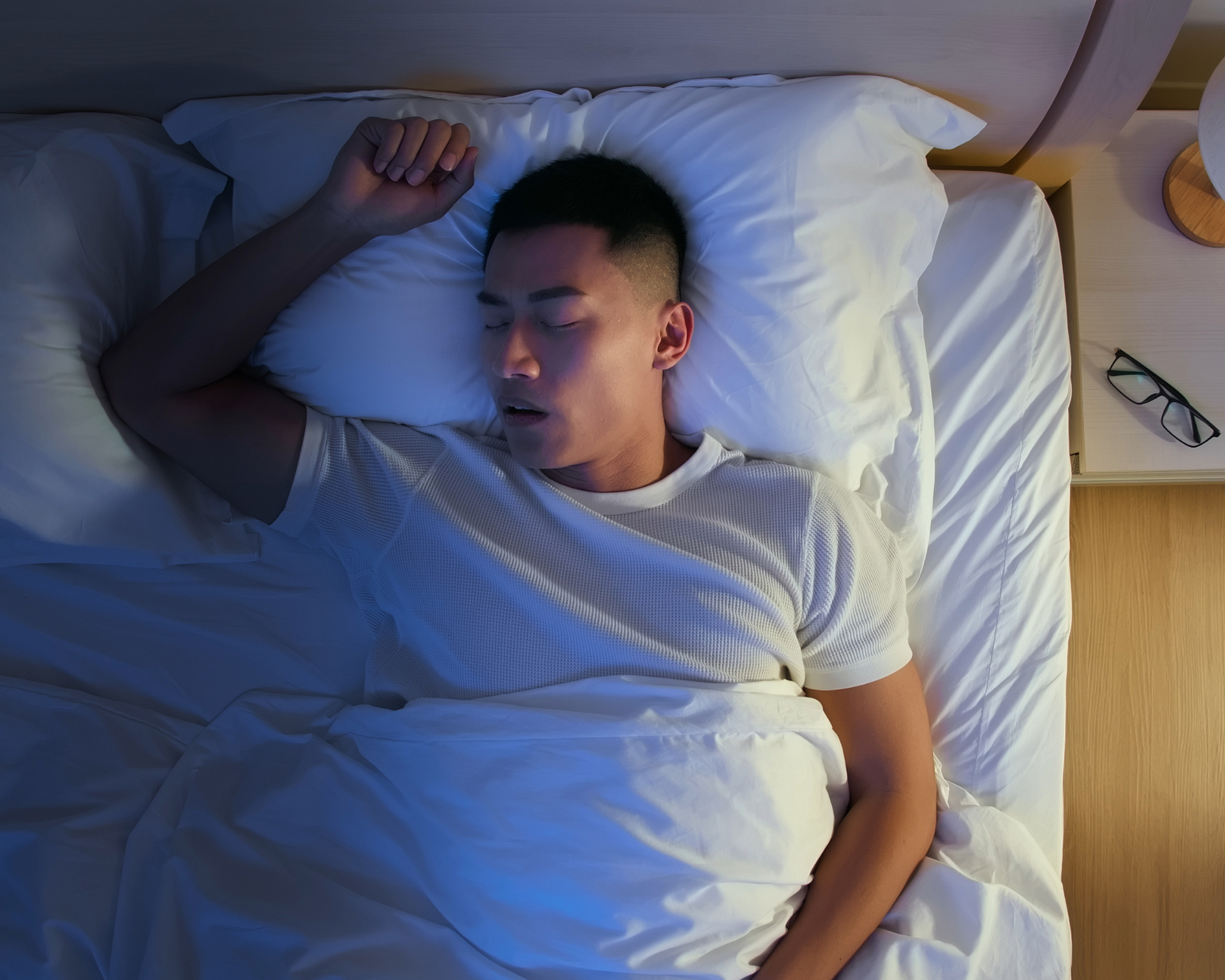
- Snoring, or a partner noticing your mouth open while you sleep
- Waking up tired even after a full night in bed
- Morning headaches or feeling foggy until mid-morning
- In children: snoring, restless sleep or breathing through the mouth during the day as well
How mouth breathing connects to snoring and sleep apnea
Mouth breathing on its own doesn't mean you have sleep apnea. But the two often show up together. When your mouth falls open, your lower jaw and tongue tend to drop back, which can crowd the airway behind your tongue. That's the same narrowing that causes snoring, and in some people it leads to repeated pauses in breathing.
Mayo Clinic lists waking with a dry mouth or sore throat among the symptoms of obstructive sleep apnea, and notes that the condition occurs about twice as often in people who have consistent nasal congestion at night. ( Mayo Clinic)
That's why we don't treat mouth breathing as a habit to break. We treat it as a clue worth understanding.
What we look at in Glen Allen
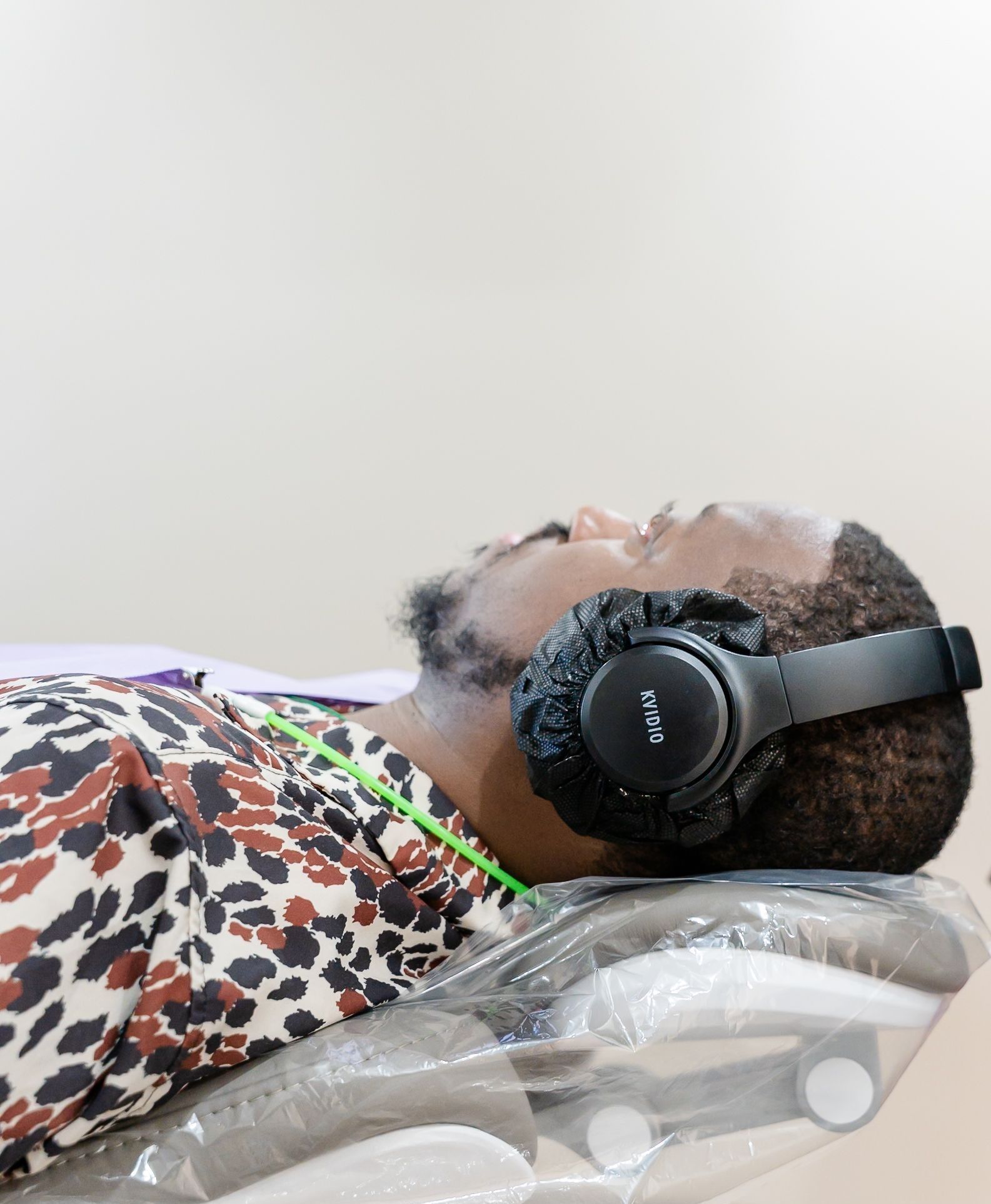
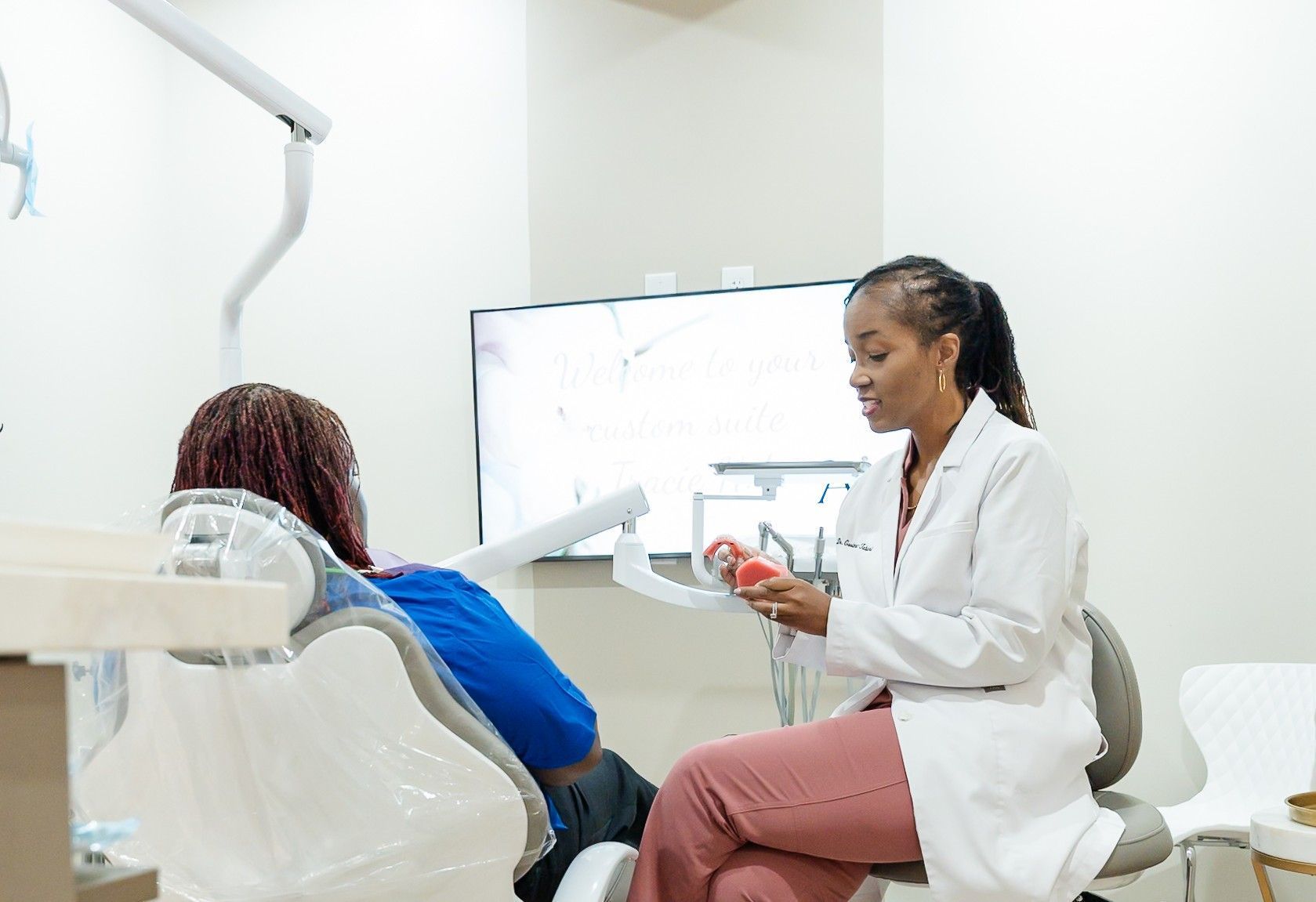
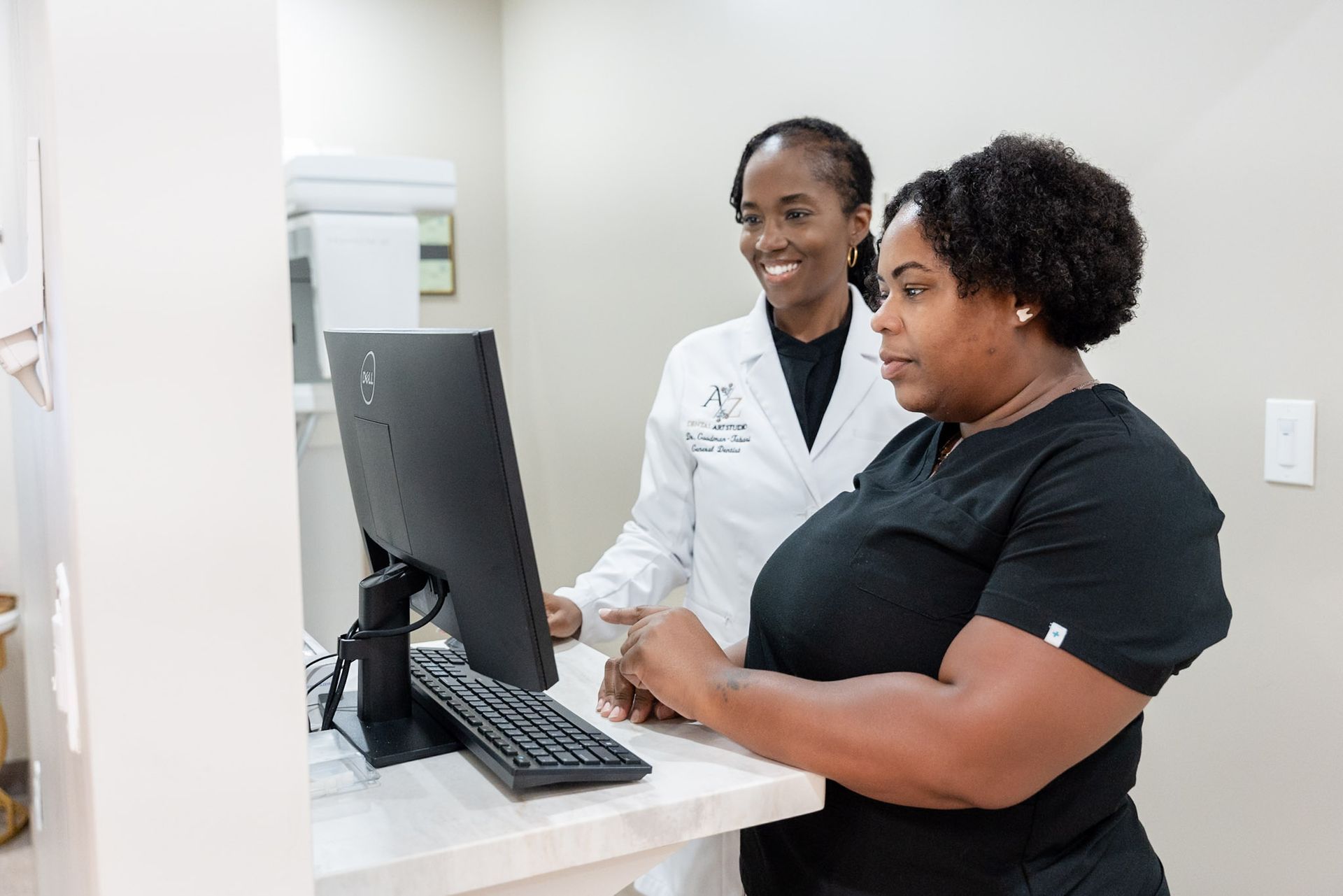
At your first visit, our team takes a digital scan of your mouth and a 3D image of your airway, and Dr. Goodman-Tabari does a head and neck exam. She looks at your jaw, tongue, throat and tonsils and asks about your sleep, your energy and how you breathe at night. You'll also complete a short screening questionnaire that shows your risk level.
If what we see points to a sleep or airway problem, the next step is a simple home sleep test. A sleep physician we work with reads the results and gives you a diagnosis, so you know whether you're dealing with snoring, sleep apnea or something like upper airway resistance syndrome.
When the cause is in your nose
Some causes of mouth breathing, like a deviated septum or chronic sinus problems, belong with your physician or an ENT. When that's the case, we'll tell you so and coordinate with your other doctors, so everyone is working from the same information.
When an oral appliance can help
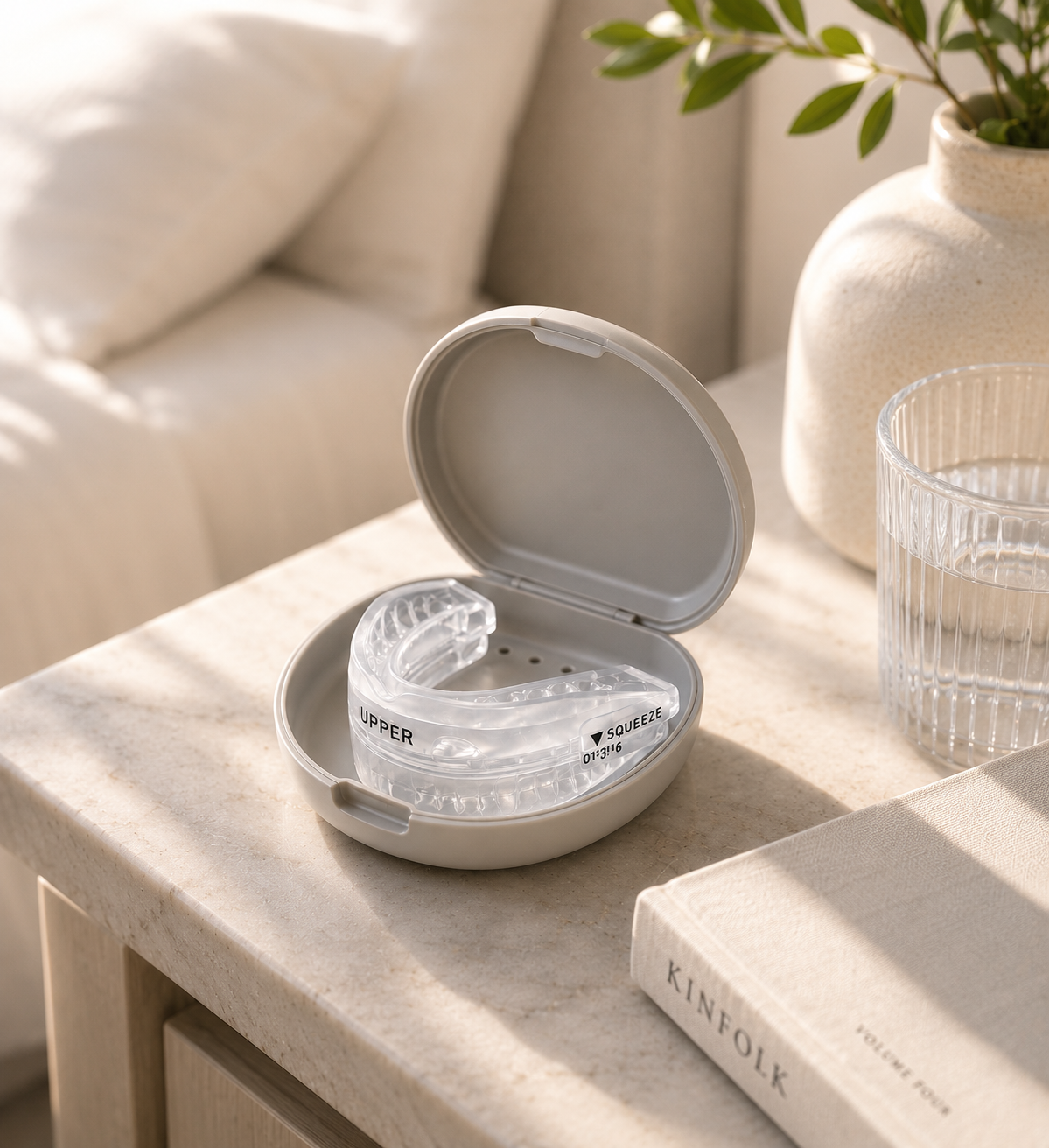
If your sleep study shows snoring or obstructive sleep apnea, a custom oral appliance can hold your lower jaw forward while you sleep, which helps keep your airway open. Dr. Goodman-Tabari takes mouth breathing into account when she chooses the design, so the appliance fits the way you actually sleep. You can read more about the options on our custom appliance page.
Mouth breathing in children
Children who breathe through their mouth, snore most nights or sleep restlessly deserve a closer look. Enlarged tonsils are an important risk factor for sleep apnea in children, and how the jaw grows can affect how much room there is for easy breathing. We see children from about six or seven and up, and we work alongside your child's pediatrician. Learn more about children's sleep and airway care.
Common questions about mouth breathing at night
Is it bad to breathe through your mouth while you sleep?
It isn't dangerous in itself, but it's often a sign that air isn't moving easily through your nose or airway. It can leave you with a dry mouth and poorer sleep, and it frequently goes along with snoring. At A-Z Sleep & Airway Center in Glen Allen, we look for the reason behind it.
Can mouth breathing cause sleep apnea?
Mouth breathing doesn't cause sleep apnea on its own, but the two are closely linked. When your mouth falls open, your jaw and tongue can drop back and narrow your airway. If you mouth breathe and also snore or wake up tired, a sleep study is the way to find out what's happening.
Will mouth tape fix mouth breathing?
Taping your mouth doesn't address why you're mouth breathing, and if your nose is blocked it can make breathing harder. It's better to understand the cause first. Our team in Glen Allen can check your airway and, if needed, arrange a home sleep test before you try anything at home.
Should my child be checked if they breathe through their mouth?
Yes, especially if they also snore, sleep restlessly or seem tired during the day. Enlarged tonsils and jaw growth can both play a part. We see children from about age six or seven in Glen Allen and coordinate with your child's pediatrician when care calls for it.
Find out what's behind your mouth breathing
If you wake up with a dry mouth, snore or never feel rested, you don't have to guess. Call us at (804) 767-2507 or request a consultation at our Glen Allen office. New to us? Start with what to expect at your first visit.