Tired Even After a Normal Sleep Study? A Dentist's Own UARS Story
Being told your sleep test looked fine when you still feel exhausted every single day is its own kind of frustrating. One possible reason is upper airway resistance syndrome, or UARS, where your airway narrows enough to disturb your sleep without fully stopping your breathing. Dr. Ashlee Goodman-Tabari of A-Z Sleep & Airway Center in Glen Allen knows this one personally, because it's what she has.
"It's kind of crazy because it's what I have"
Dr. Goodman-Tabari tested herself while she was learning about sleep, expecting to rule things out. "I didn't have sleep apnea," she says. "It didn't stop breathing, but it's a sleep disorder breathing. It's a narrowing of my airway when I sleep that caused resistance."
The result surprised her, and it explained a lot. "I still need an oral appliance to treat that because my oxygen levels still drop. I'm always tired." She now wears a custom oral appliance herself, so when she talks with patients about what it's like to live with one, she's speaking from her own nights.
Her story isn't a typical result or a promise of one. It's a reminder that "my test was normal" and "my sleep is healthy" aren't always the same thing.
What UARS is, in plain terms
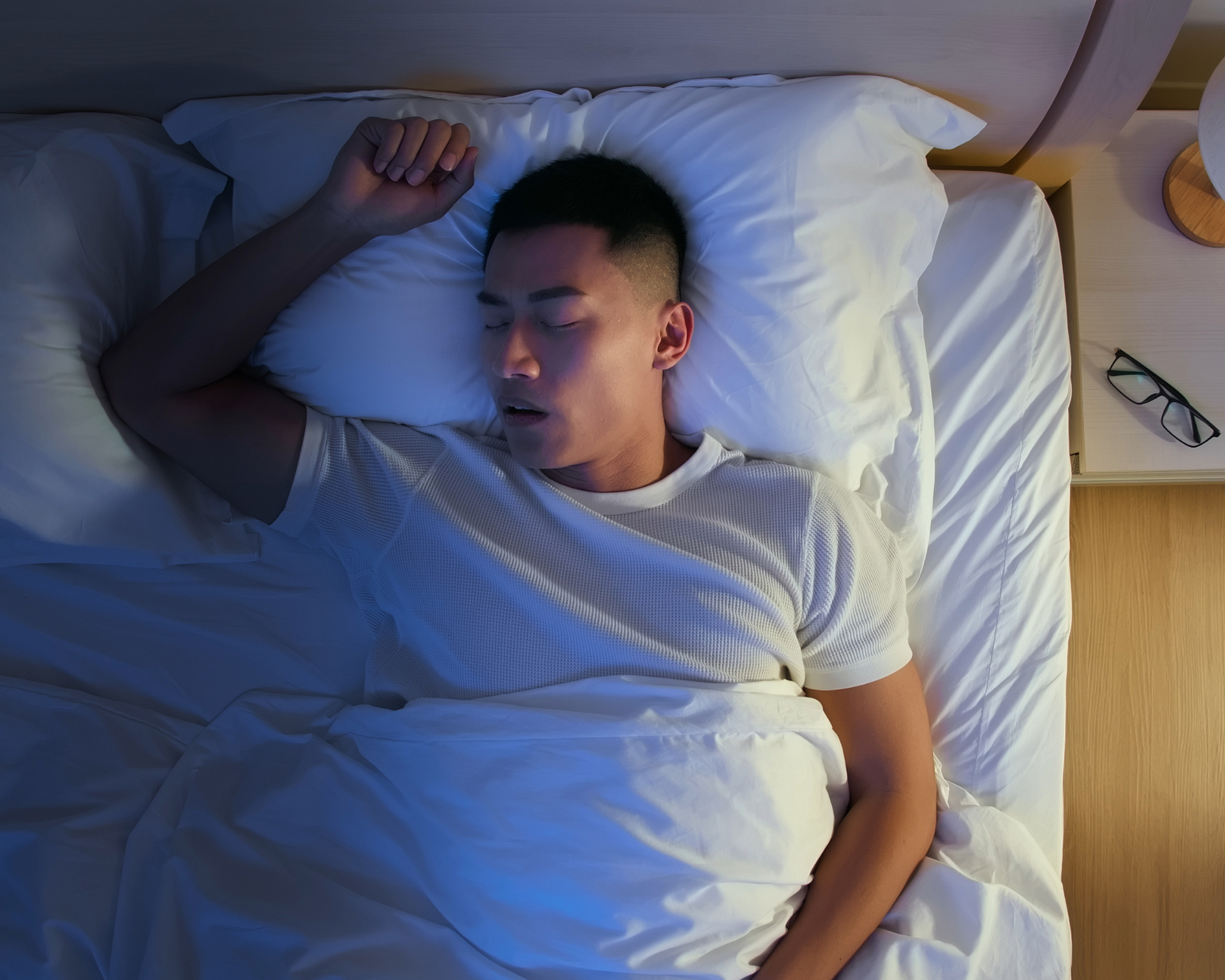
When you sleep, the muscles in your throat relax. In some people, the airway narrows enough that breathing takes extra effort. With obstructive sleep apnea, that narrowing leads to repeated pauses or big drops in airflow. With UARS, your body works harder to breathe and briefly rouses itself out of deeper sleep, often many times a night, but your breathing doesn't stop in the same way.
Researchers describe UARS as sitting in the middle ground between simple snoring and obstructive sleep apnea. People with UARS often have a low apnea-hypopnea index (AHI), the number usually used to grade sleep apnea, which is why a test can come back looking "normal." ( NCBI StatPearls)
Common signs of UARS
- Feeling tired or unrefreshed even after a full night in bed
- Snoring, sometimes light rather than loud
- Morning headaches
- Brain fog or trouble concentrating
- Low mood
- No one has noticed you stop breathing
UARS also appears to be more common in women before and around menopause than in men, which is one reason it can be overlooked. ( NCBI StatPearls)
Why UARS can be easy to miss
Because breathing doesn't fully stop, UARS doesn't always show up clearly on a basic sleep test. Some home tests focus on pauses in breathing and drops in oxygen, so the subtler signs of extra breathing effort can be underestimated. In those cases, a sleep physician may recommend a more detailed study.
That's not a reason to skip testing. It's a reason to have someone look at the whole picture: your results, your symptoms and how you actually feel during the day. As Dr. Goodman-Tabari often says, "It's better to know than not to know."
How UARS is treated
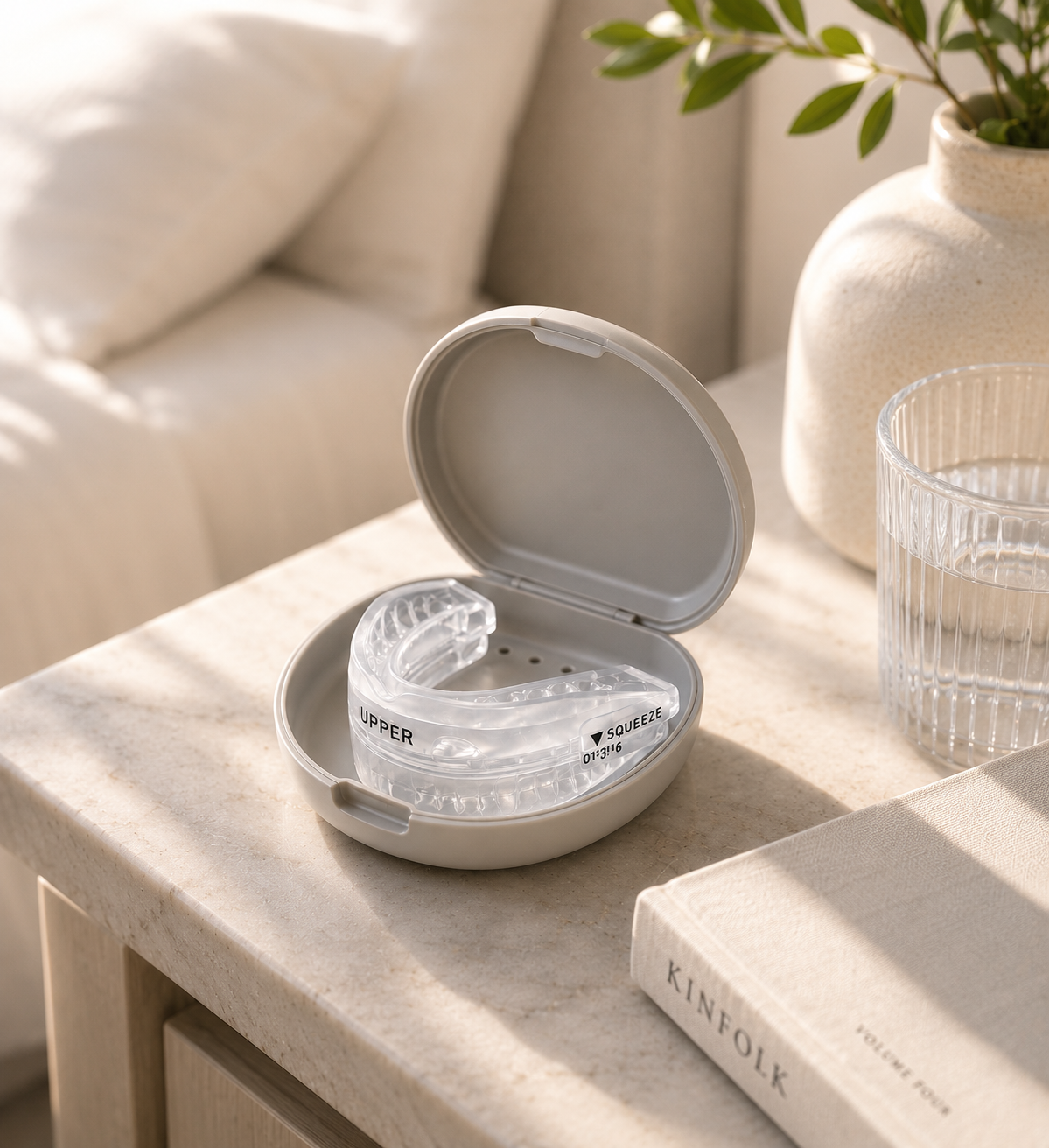
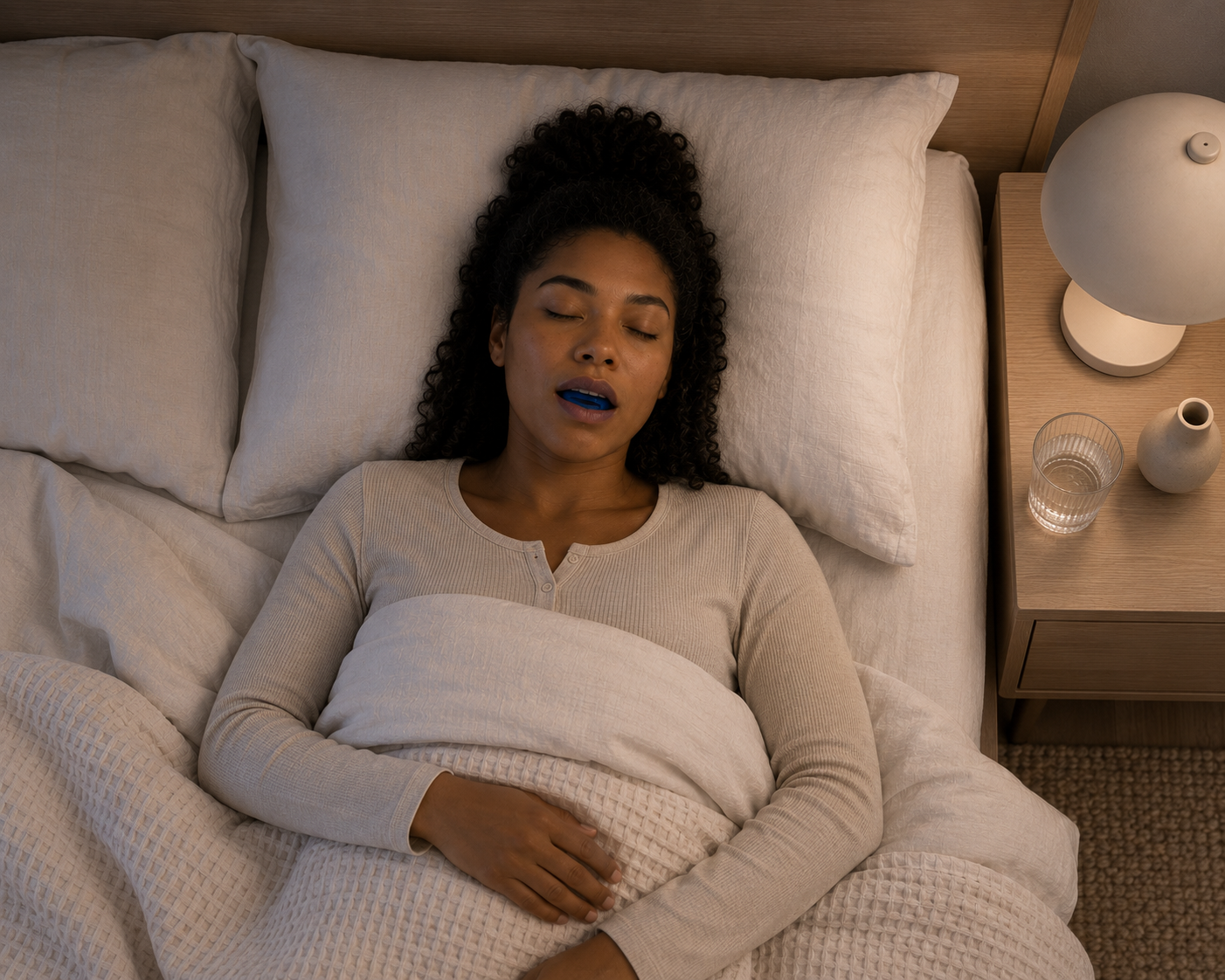
Treatment aims to keep your airway open so your body doesn't have to fight to breathe. CPAP is a common treatment, and a custom oral appliance is an effective alternative for many people. An oral appliance holds your lower jaw and tongue slightly forward while you sleep, which gives your airway more room.
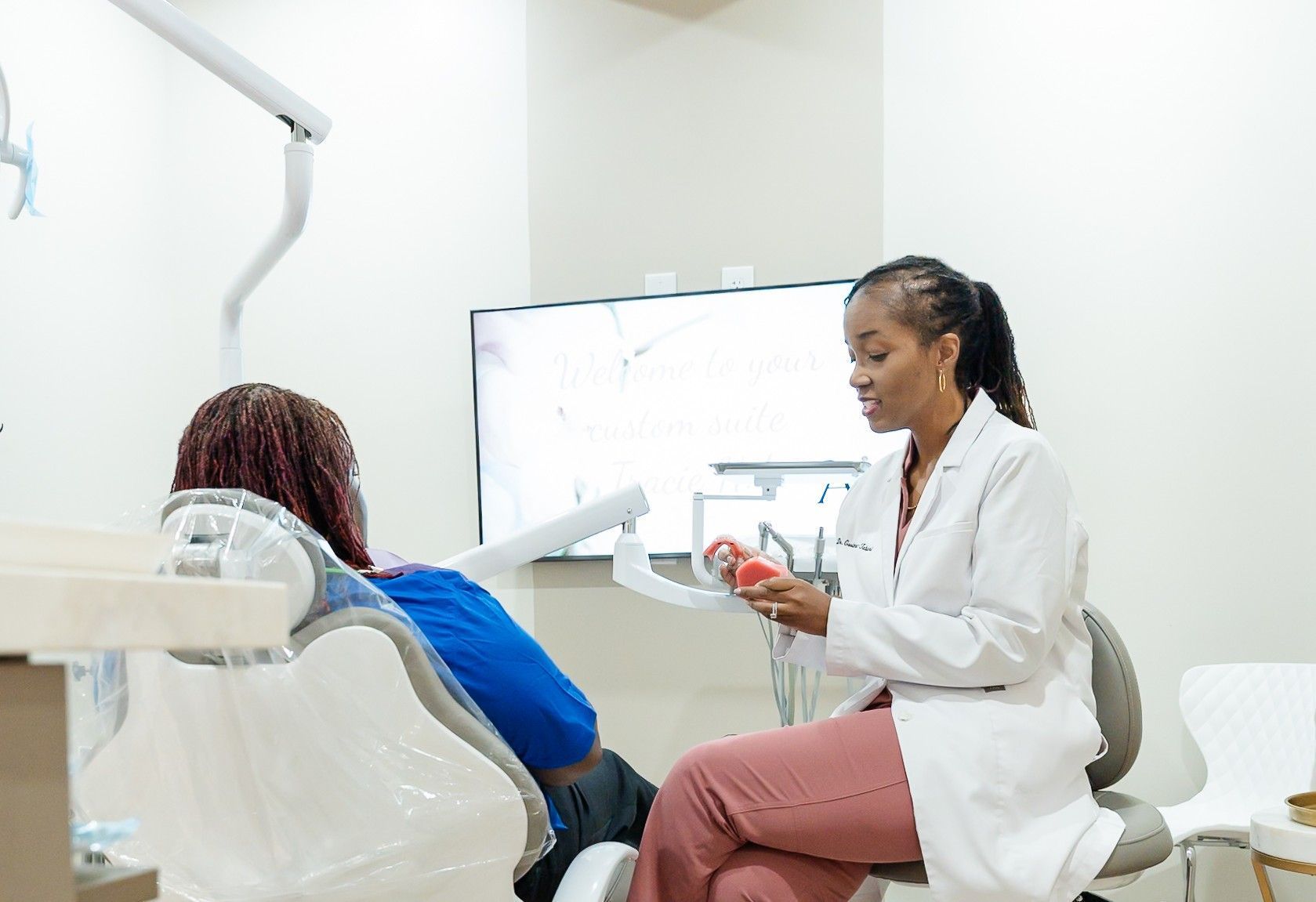
When an oral appliance is the right fit, Dr. Goodman-Tabari makes it from a 3D scan of your mouth, adjusts it until it's comfortable and checks with a follow-up sleep study that it's doing its job. She chooses the design around your needs, whether you grind your teeth, breathe through your mouth or feel claustrophobic. You can read more on our UARS page and our oral appliance therapy page.
How we help in Glen Allen
We start by listening. At your first visit, we review your symptoms and any sleep study you've already had, take a digital scan and a 3D image of your airway, and Dr. Goodman-Tabari does a head and neck exam. If you haven't been tested, or your test didn't explain how you feel, we'll talk about next steps, including a home sleep test read by a sleep physician we work with.
A sleep physician makes the diagnosis. Dr. Goodman-Tabari is a dentist, so she treats with a physician's diagnosis in place, and we keep your primary care doctor in the loop so all of your doctors are on the same page.
Common questions about UARS
Can you have UARS with a normal sleep study?
Yes. Because UARS involves extra breathing effort rather than full pauses, your AHI can come back in the normal range. If you're still exhausted after a normal result, it's worth talking with a sleep physician about your symptoms. At A-Z Sleep & Airway Center in Glen Allen, we can review your results with you.
Is UARS the same as sleep apnea?
Not exactly. Both involve a narrowed airway during sleep, but in UARS your breathing doesn't stop or drop as much. Your body still has to work harder to breathe and keeps rousing itself from deep sleep, which is why you can feel tired even though you were in bed long enough.
Can an oral appliance help UARS?
For many people, yes. A custom oral appliance holds your jaw slightly forward to give your airway more room, and it's an effective alternative to CPAP. Dr. Goodman-Tabari wears one herself for UARS. A follow-up sleep study confirms that your treatment is working.
Who is most likely to have UARS?
UARS can affect anyone, including people who aren't overweight. It appears to be more common in women before and around menopause. If you're tired all the time, snore lightly and have been told your sleep looks normal, it's worth a closer look.
Still tired after being told you're fine?
You don't have to accept feeling exhausted as normal. Call us at (804) 767-2507 or request a consultation at our Glen Allen office, and bring any past sleep study with you. You can also meet Dr. Goodman-Tabari first.