Who Makes Your Sleep Appliance, a Dentist or a Sleep Doctor?

A-Z Sleep & Airway Center • November 1, 2026

Share this article

Published by A-Z Sleep & Airway Center.

If your doctor has brought up sleep apnea, or your partner has noticed you gasping at night, a dentist might be the last person you expect to hear about. A sleep appliance takes two professionals. A sleep physician reads your sleep test and makes the diagnosis. A dentist trained in sleep care designs the appliance, fits it and adjusts it. This guide explains who handles each step and how they stay connected, so you know what to expect before your first visit.

Who makes a sleep appliance, a dentist or a sleep doctor?

A dentist makes and fits your sleep appliance. A sleep physician makes the diagnosis that comes before it. The appliance is built around your teeth and bite, so it's a treatment only a dental provider can make and fit for you.

A custom oral appliance is an FDA-cleared mouthpiece that holds your lower jaw slightly forward, which keeps your airway open while you sleep. Your dentist sets that jaw position and fine-tunes it. Your physician decides whether you have sleep apnea and how severe it is.

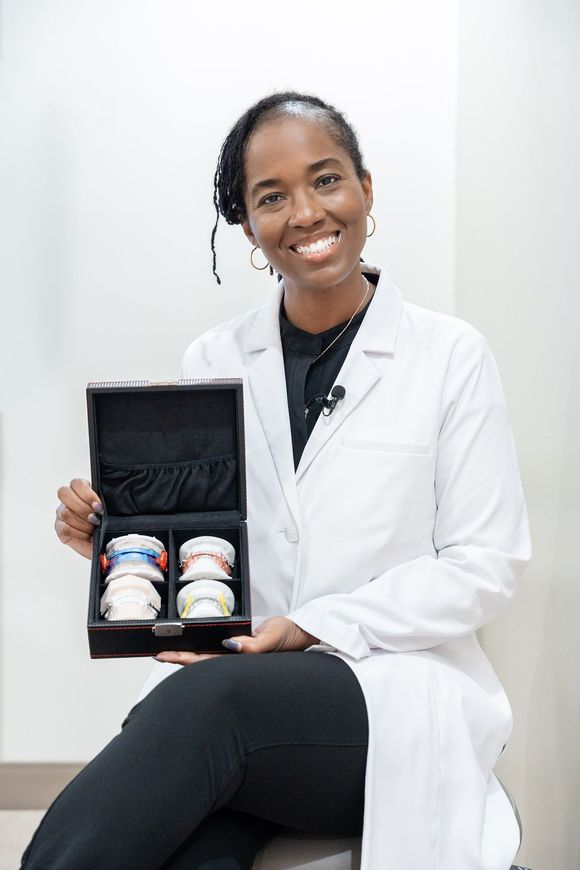
At A-Z Sleep & Airway Center, Dr. Ashlee Goodman-Tabari coordinates a home sleep test that a sleep physician reads, then makes your appliance, fits it and confirms it's working with a follow-up test. You can see each stage on our custom oral appliance therapy page.

What does the sleep physician do?

The sleep physician reads your sleep test and diagnoses whether you have sleep apnea. A dentist can screen you and arrange the test, and the diagnosis itself comes from the physician.

Obstructive sleep apnea happens when the muscles in your throat relax during sleep and block your airway again and again, according to the Mayo Clinic. Overnight sleep testing, including a home test in some cases, is how it's evaluated, as the Mayo Clinic's guide to diagnosis and treatment explains.

Your test happens in your own bed. You wear a small device, like a watch, for one night, and the results come back to us the next day. That diagnosis tells us whether an oral appliance is a good fit for you, whether CPAP makes more sense, or whether using both will work best.

What does the dentist do after you're diagnosed?

Once your diagnosis points to an appliance, your dentist designs it, fits it and keeps adjusting it until it does its job. Every step happens here with Dr. Goodman-Tabari and our team:

  1. Your first visit. We go over your symptoms and sleep history, take a digital scan of your mouth and an image of your airway, and do an exam.
  2. Design. Your appliance is designed from that 3D scan. Dr. Goodman-Tabari picks a comfortable starting position for your jaw, and a lab makes the device, usually in about three weeks.
  3. Adjustments. After you start wearing it, we adjust the jaw position in small steps over follow-up visits. Those small changes make a real difference to how open your airway stays.
  4. Retest. A follow-up sleep test shows whether your breathing and oxygen have improved with the appliance in place.

Most people adjust to wearing an appliance within a week or two. It needs no electricity and fits in a pocket, so it travels easily.

The Mayo Clinic notes that oral devices that bring your jaw forward may be an option for some people with mild or moderate obstructive sleep apnea, and that regular dental follow-up helps make sure the fit stays good.

How do your dentist and your doctors stay connected?

We keep your sleep physician and your primary care doctor informed, so your diagnosis, treatment and follow-up stay connected. You don't have to carry results from one office to the next yourself.

That connection matters most when sleep apnea is severe. For severe sleep apnea, CPAP may be the best choice, sometimes alongside an oral appliance. Dr. Goodman-Tabari says that when it's severe, "we normally use it in combination," and she tells patients, "If you're not using your CPAP, it's better to use something than nothing." She's also clear that an appliance used this way won't equal the oxygen you'd get from a CPAP.

The follow-up test is part of that conversation. Dr. Goodman-Tabari describes it as a way to see how well the appliance is working and to communicate with your doctor, including whether you may be able to cut back on CPAP.

Why do Glen Allen patients choose A-Z Sleep & Airway Center for oral appliances?

Dr. Goodman-Tabari treats her own sleep-disordered breathing with an oral appliance, so she knows what the first weeks feel like and what it takes to get comfortable. She founded the practice after successfully treating sleep-related breathing disorders in her own children, husband and mother.

Dr. Goodman-Tabari's husband had been using a CPAP before she made his appliance. She was able to make him a custom appliance, and he loved it.

She holds the Qualified Dentist designation from the American Academy of Dental Sleep Medicine and completed a mini-residency through Nierman Practice Management focused on sleep disorders and oral appliance therapy. She also brings 14 years of experience in advanced general dentistry. Because we're a sleep-only practice, your screening, home test, appliance and retest all happen in one place, at our Glen Allen dental office in the Shops at Cross Ridge on Staples Mill Road.

Frequently asked questions

Do I need a sleep test before I get a sleep appliance?

Yes. A sleep physician reads your sleep test and makes the diagnosis before your appliance is made. At A-Z Sleep & Airway Center, the test happens at home in your own bed: you wear a small device, like a watch, for one night, and the results come back to us the next day.

How long does it take to get a sleep appliance?

After your first visit and digital scan, a lab makes your appliance, usually in about three weeks. Most people adjust to wearing it within a week or two, and we fine-tune the jaw position over follow-up visits.

Can I use a sleep appliance if I already have a CPAP?

Often, yes. For severe sleep apnea, CPAP may be the best choice, sometimes alongside an oral appliance. An appliance used this way won't equal the oxygen you'd get from a CPAP, and a follow-up sleep test helps you and your doctor see how well it's working.

Will my sleep physician know how my treatment is going?

Yes. We keep your sleep physician and your primary care doctor informed, so you don't have to carry results from one office to the next yourself.

Already have a diagnosis, or wondering whether you need one? Call (804) 767-2507 or request a consultation. We're open Tuesday to Friday, 9:00 AM to 5:00 PM.

Published by A-Z Sleep & Airway Center.

Recent Posts

Dr. Ashlee Goodman-Tabari holding custom oral appliance models at A-Z Sleep & Airway Center
By A-Z Sleep & Airway Center • October 26, 2026
What to expect at your oral appliance consultation in Glen Allen, VA: a digital scan, an airway image, an exam and a home sleep test. Call (804) 767-2507
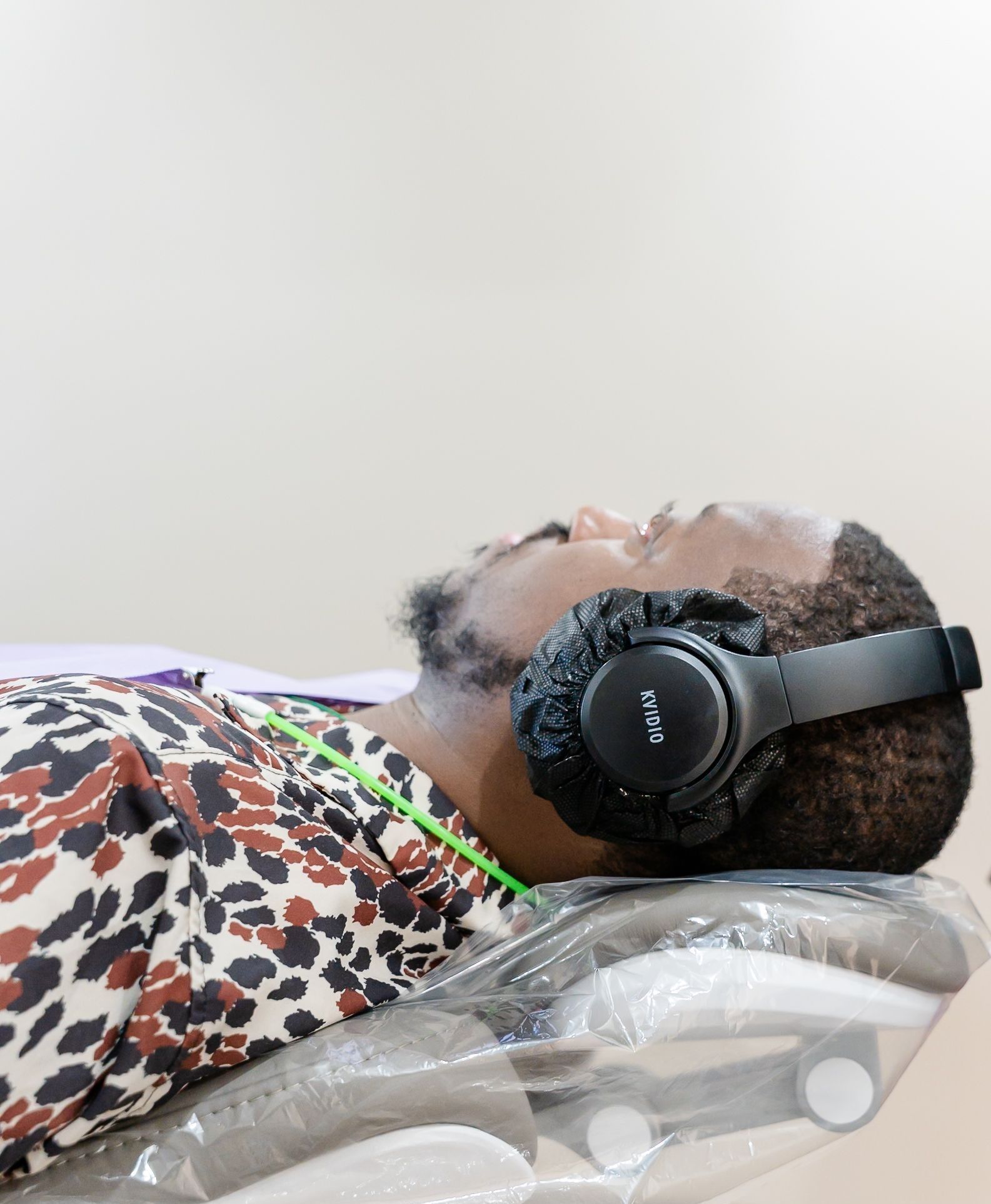
A relaxed patient reclines with headphones on at A-Z Sleep & Airway Center in Glen Allen, VA
By A-Z Sleep & Airway Center • October 15, 2026
Snoring is the sound of a body struggling for air. Learn when to get it checked and how we test and treat snoring in Glen Allen, VA. Call (804)-767-2507.
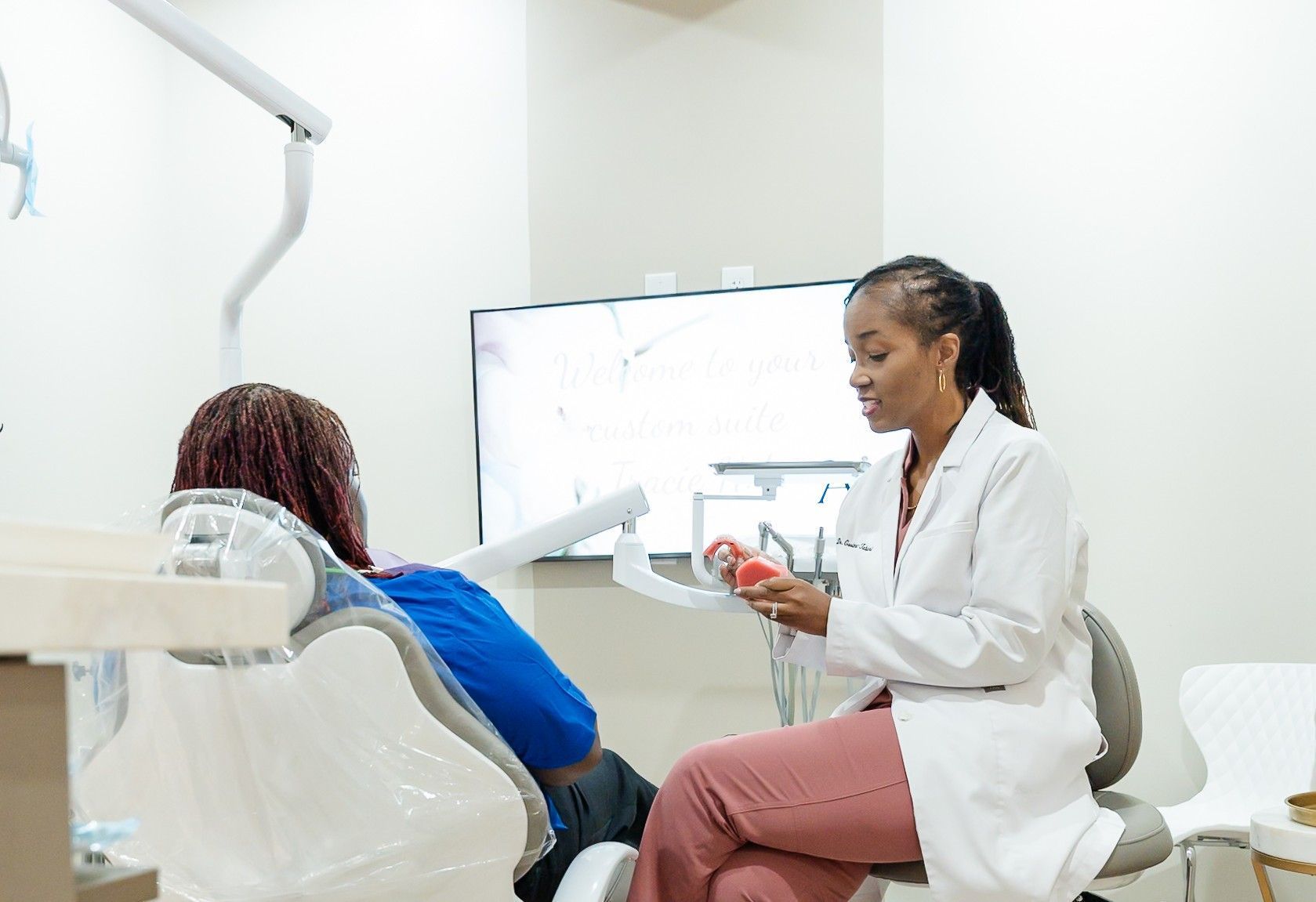
Oral appliance consultation at A-Z Sleep & Airway Center in Glen Allen, VA
By A-Z Sleep & Airway Center • October 8, 2026
Oral appliances for sleep apnea are billed to medical insurance, not dental. Learn what's covered and what you may pay for sleep care in Glen Allen, VA.
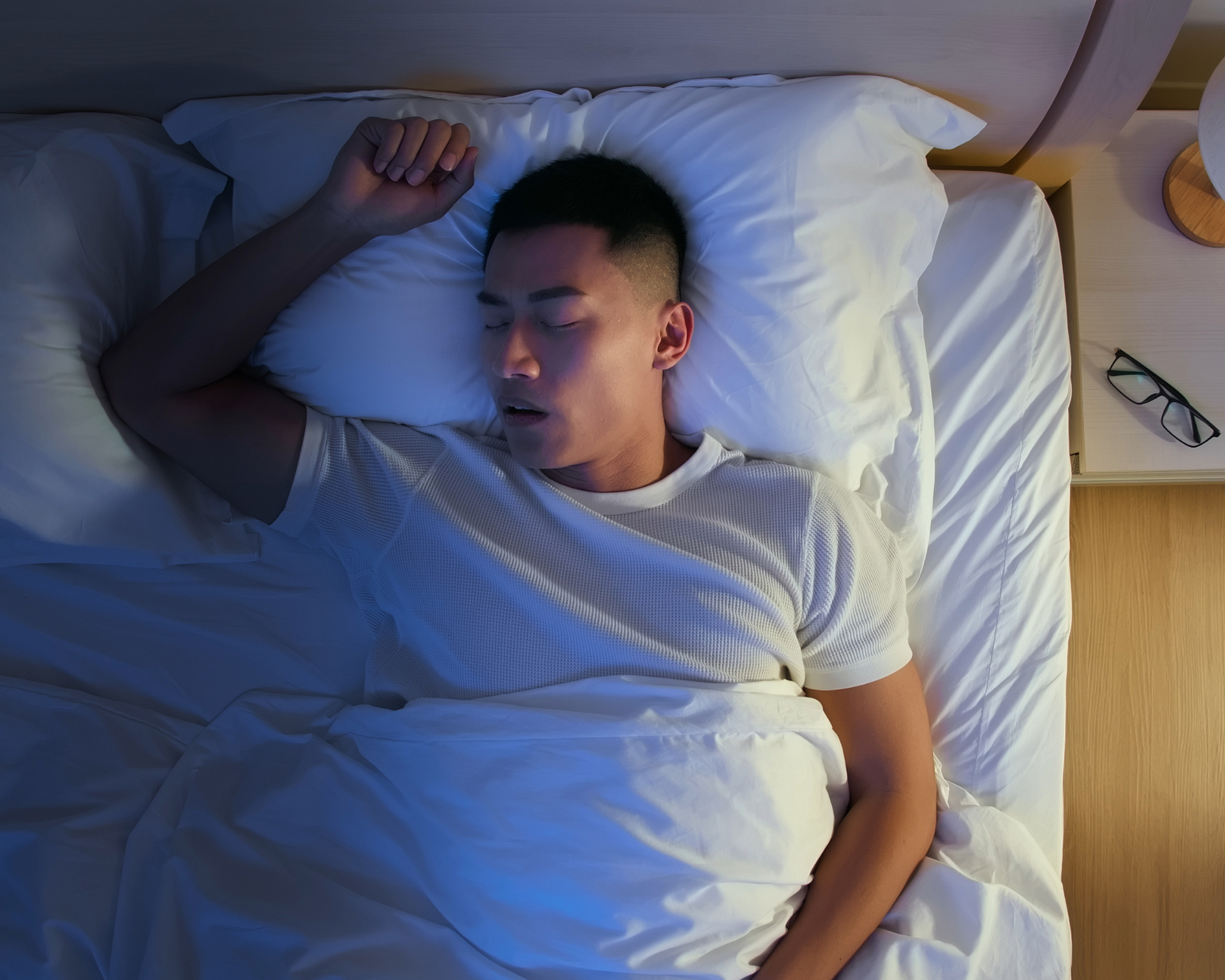
A man asleep on his back with his mouth open
By A-Z Sleep & Airway Center • October 6, 2026
Grinding and clenching at night often travel with snoring and sleep apnea. Why a night guard isn't the whole answer, from a Glen Allen sleep practice.
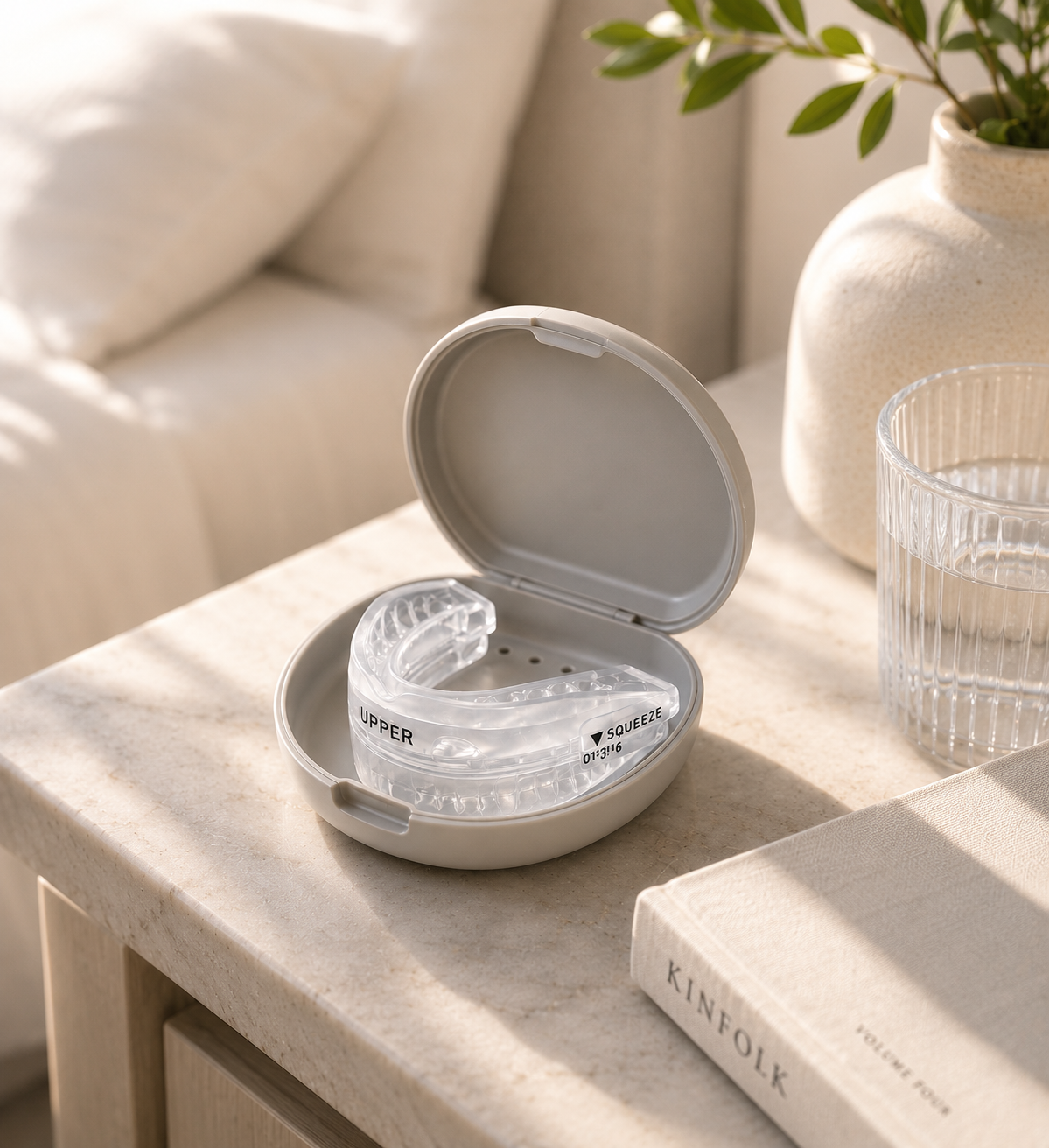
An oral sleep appliance in its open case on a bedside table
By A-Z Sleep & Airway Center • October 6, 2026
Sleep apnea and snoring appliances come in different designs for missing teeth, grinding and claustrophobia. How a Glen Allen sleep practice chooses yours.

A tired woman rests her head on her arm at the table, holding a coffee mug
By A-Z Sleep & Airway Center • October 6, 2026
Dr. Ashlee Goodman-Tabari has upper airway resistance syndrome. What UARS is, why a normal sleep test can miss it, and how it's treated in Glen Allen, VA.
A young girl asleep in bed, breathing through her mouth
By A-Z Sleep & Airway Center • October 6, 2026
Why some people breathe through their mouth at night, how it connects to snoring and sleep apnea, and what a Glen Allen sleep practice checks for.
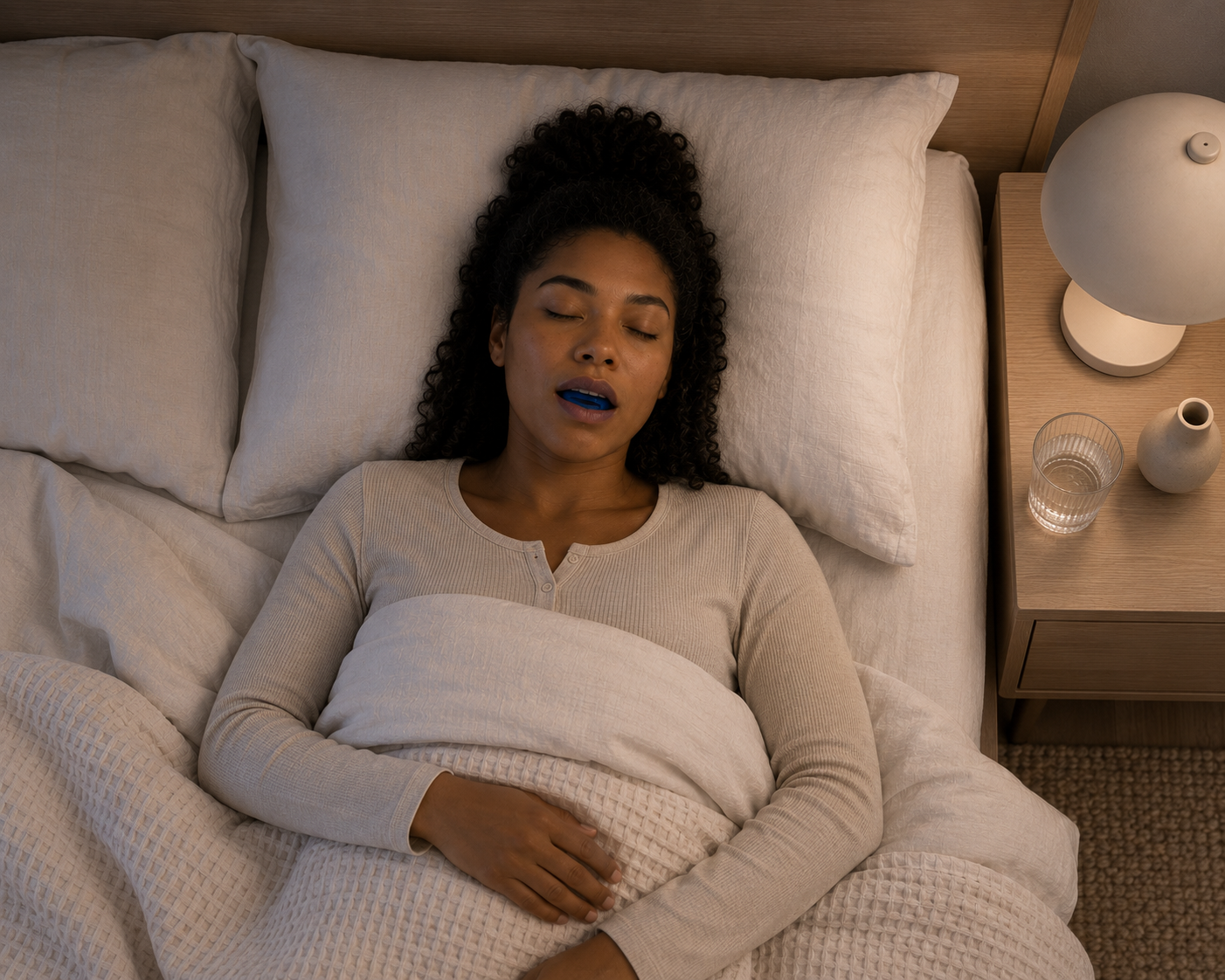
A woman asleep in bed wearing an oral sleep appliance
By A-Z Sleep & Airway Center • October 5, 2026
What's normal in your first weeks with a sleep apnea oral appliance, what isn't, and why we retest, from A-Z Sleep & Airway Center in Glen Allen, VA.
A tired man yawns at his desk with his hand on his forehead
By A-Z Sleep & Airway Center • October 5, 2026
Blood pressure that stays high despite medication can be linked to sleep apnea. How the two connect, and how to get tested, from a Glen Allen sleep practice.
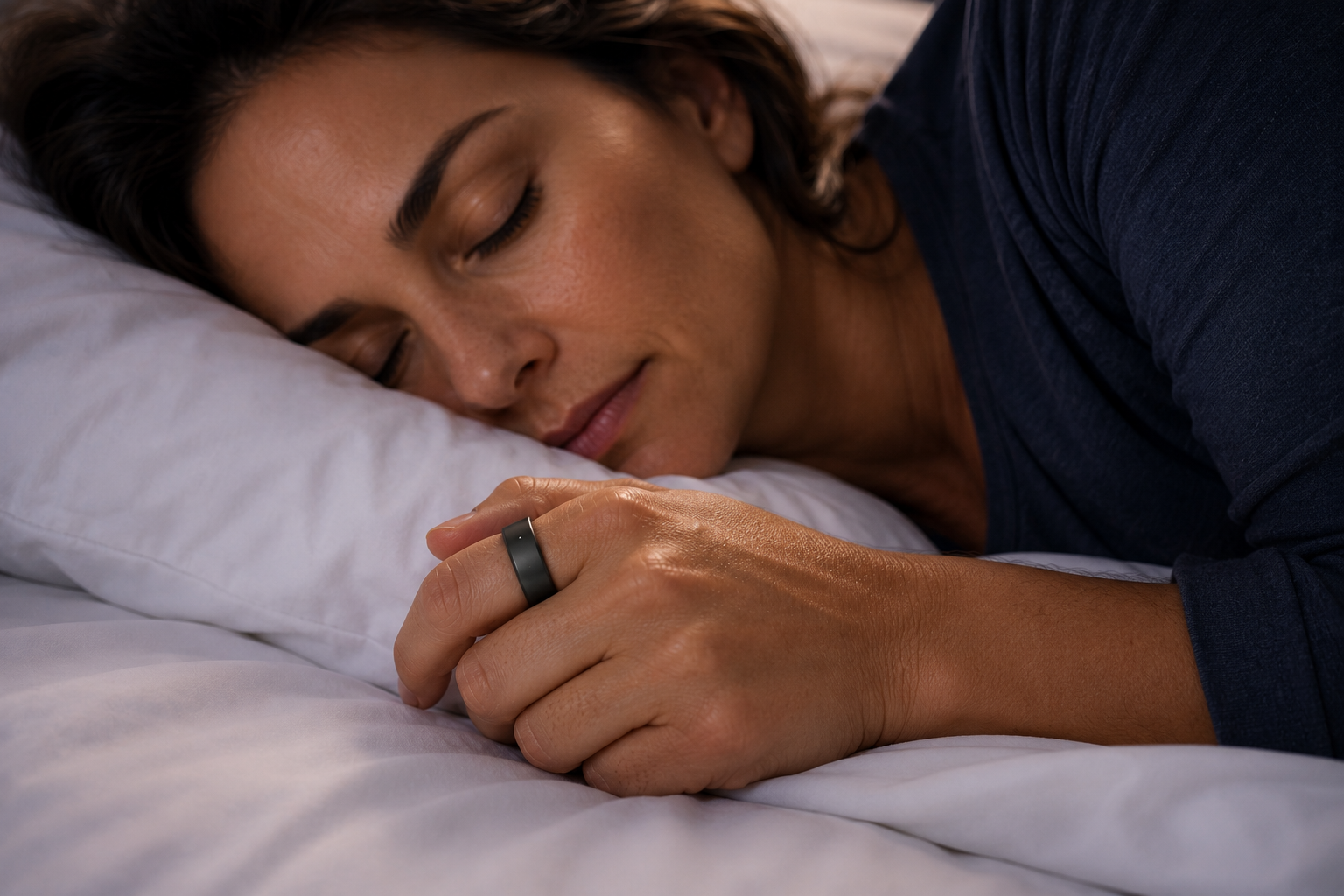
A woman asleep wearing a ring-style home sleep test on her finger
By A-Z Sleep & Airway Center • October 5, 2026
What your AHI number, oxygen readings and severity rating mean after a sleep study, and what comes next, from a Glen Allen sleep and airway practice.
Show More