Your First Month With an Oral Appliance for Sleep Apnea

A-Z Sleep & Airway Center • October 5, 2026

Share this article

The night you take your new oral appliance home, you're probably hoping it just works, and you may be a little worried about what it will feel like. Most people need a few weeks to get used to sleeping with one, and some mild soreness or extra saliva early on is normal. In Glen Allen, we stay with you through that adjustment period, fine-tune the fit, and retest your sleep so you know the appliance is actually treating your sleep apnea.

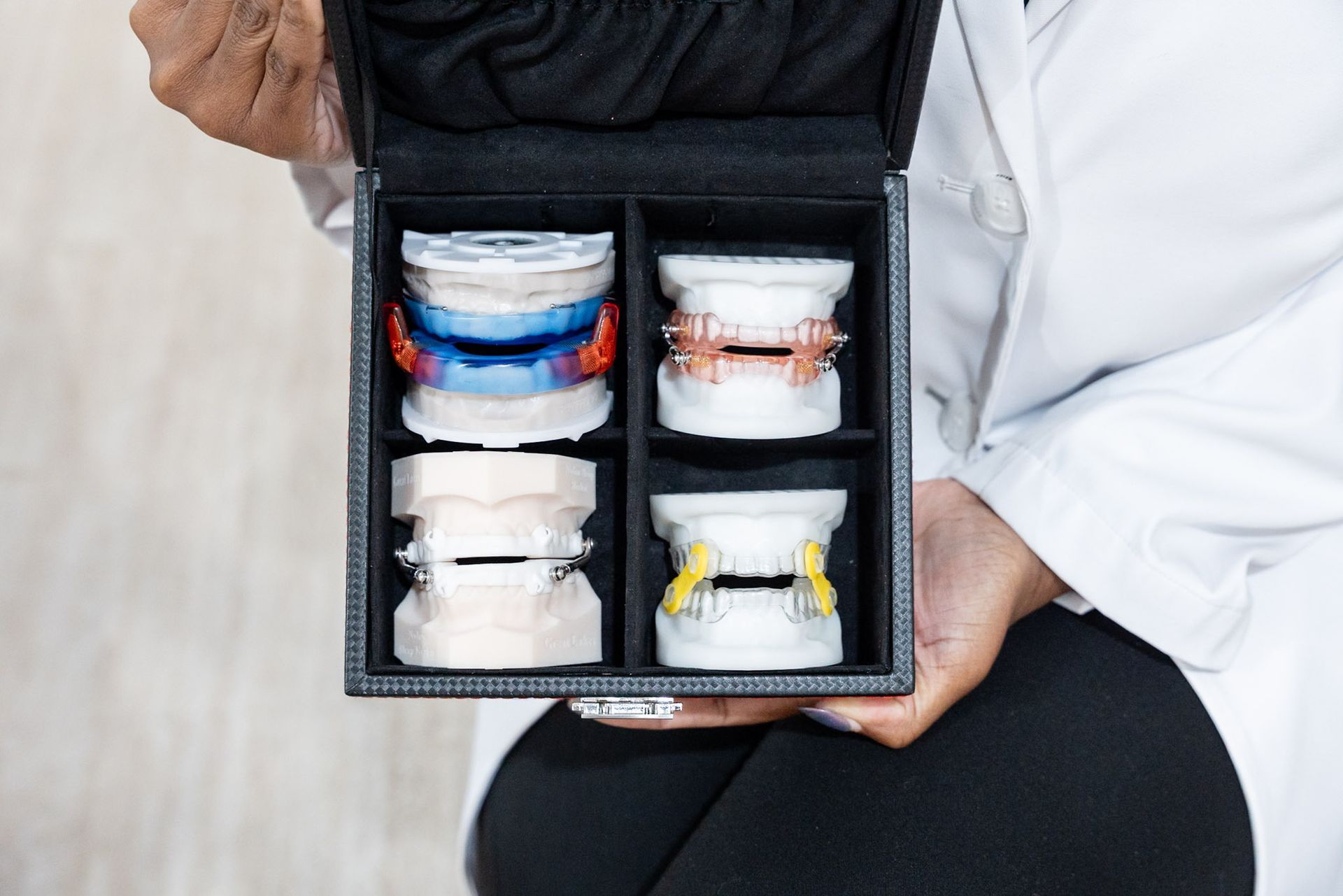
Open case with four stacked face masks in blue, white, and yellow bands

Settling in during the first few nights

A custom oral appliance holds your lower jaw slightly forward while you sleep, which keeps your airway from collapsing. Because it's made from a precise 3D scan of your mouth, it fits closely, but anything new in your mouth takes some getting used to. According to the AASM's patient site, Sleep Education, most patients take a few weeks to get used to sleeping with an oral appliance, though some find it easy from the start.

It helps to wear it every night, even on nights you're tempted to skip, so your body adapts faster. Many people find the first few nights are the strangest, and then it becomes part of the routine, like putting on glasses.

Normal changes as you adjust

Sleep Education lists the common side effects as frequent but minor: extra saliva or a dry mouth, some tooth or jaw discomfort, and a temporary feeling that your teeth don't come together quite the same way in the morning. That morning feeling usually fades within a short time after you take the appliance out.

None of these is a reason to give up, and all of them are worth mentioning at your follow-up visits. Small changes to the fit or the amount of forward adjustment can make a big difference in comfort. Our oral appliance therapy page explains how the device works and how it's made.

Signs to call us sooner

Call our office if jaw pain is getting worse instead of better, if you notice clicking or pain in the jaw joint, if your teeth feel like they don't meet normally for much of the day, or if the appliance feels loose, cracked or rubs a sore spot. Sleep Education notes that less common complications can include jaw pain, lasting bite changes and jaw joint symptoms, which is exactly why ongoing follow-up matters.

Over-the-counter mouthpieces skip this part entirely. You mold them at home, and no one checks how they're affecting your jaw or whether they're treating anything. Our page on custom vs. over-the-counter devices explains the difference in more detail.

Fine-tuning the fit over time

Your appliance isn't set once and forgotten. At your follow-up visits, we check how you're sleeping, how your jaw and teeth feel, and whether your snoring or tiredness has improved, then make small adjustments to bring your lower jaw forward gradually until the fit is both comfortable and effective.

Dr. Ashlee Goodman-Tabari wears an oral appliance herself for her own sleep-disordered breathing, so the adjustment period isn't theoretical to her. She knows what the first weeks feel like and what makes them easier.

Retesting to confirm it works

Feeling better is a great sign, but it isn't proof that your sleep apnea is under control. "We don't just give them the device," Dr. Goodman-Tabari says. "We actually make sure it's working." Once your appliance is adjusted, we arrange a follow-up home sleep test to confirm your breathing and oxygen levels have improved. Sleep Education describes the same step: a follow-up sleep test to make sure the appliance has been adjusted correctly and is effectively treating your sleep apnea.

If the numbers show you need more, we keep adjusting, and if an appliance alone isn't enough, we'll talk openly with you and your sleep physician about combining it with CPAP or switching. You can read how the two compare on our CPAP vs. oral appliance page.

Common questions about oral appliances in Glen Allen

How long does it take to get used to an oral appliance?

Most people need a few weeks to feel comfortable sleeping with an oral appliance, though some adjust within days. Wearing it every night helps. At A-Z Sleep & Airway Center in Glen Allen, we check in during those first weeks and make small adjustments so the appliance feels better as you go.

Is jaw soreness normal with a sleep apnea mouthpiece?

Mild jaw or tooth soreness in the morning is common at first and usually eases as you adjust. Pain that gets worse, clicking in the jaw joint, or a bite that feels off for much of the day is a reason to call. Our Glen Allen team can adjust the appliance to keep you comfortable.

Why does my bite feel different in the morning?

The appliance holds your lower jaw forward all night, so your teeth may not meet quite the same way right after you take it out. That feeling usually fades within a short time. If it lingers through the day, let us know at our Glen Allen office so Dr. Goodman-Tabari can check the fit.

Do I need another sleep test after getting an oral appliance?

Yes. A follow-up sleep test is how we confirm the appliance is actually treating your sleep apnea, not just quieting your snoring. Once your fit is adjusted, we arrange a home sleep test in Glen Allen and review the results with you, then keep fine-tuning if your numbers show you need more.

What if my snoring stops but I'm still tired?

Quieter nights are a good sign, but snoring can stop before sleep apnea is fully treated. Ongoing tiredness is a reason to check. At A-Z Sleep & Airway Center in Glen Allen, a follow-up home sleep test shows whether your breathing and oxygen have improved, and we keep adjusting until they have.

Staying with you after the fitting

If you're considering an oral appliance, or you already have one and it isn't feeling right, we'd love to help. Call us at (804) 767-2507 or send us a message to schedule a visit at our Glen Allen office. You can also see what to expect at your first appointment.

Recent Posts

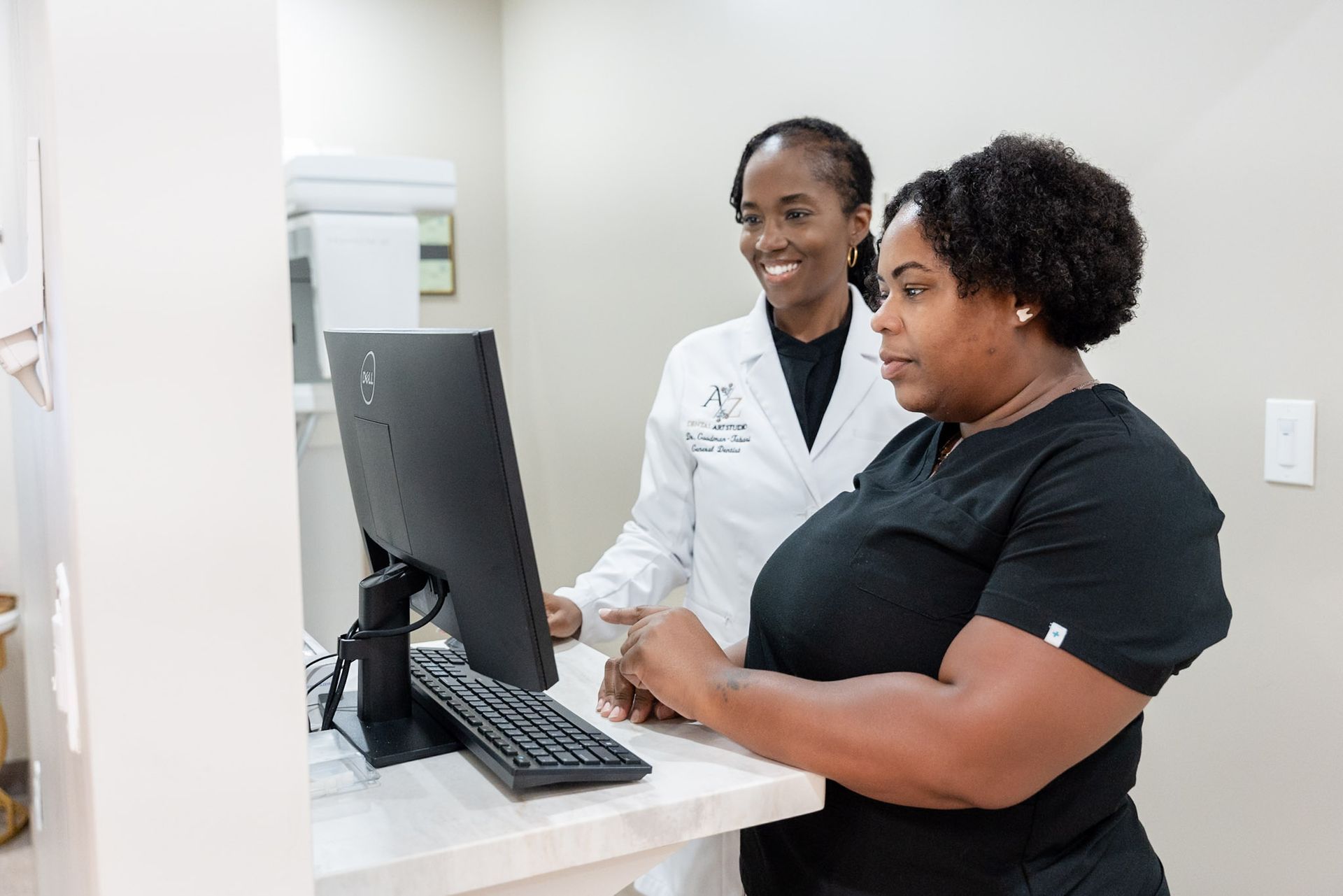
Dr. Goodman-Tabari and a team member reviewing a screen
By A-Z Sleep & Airway Center • November 1, 2026
A sleep physician makes the diagnosis. A trained dentist makes and fits your sleep appliance. How they work together in Glen Allen, VA. (804) 767-2507.

Dr. Ashlee Goodman-Tabari holding custom oral appliance models at A-Z Sleep & Airway Center
By A-Z Sleep & Airway Center • October 26, 2026
What to expect at your oral appliance consultation in Glen Allen, VA: a digital scan, an airway image, an exam and a home sleep test. Call (804) 767-2507
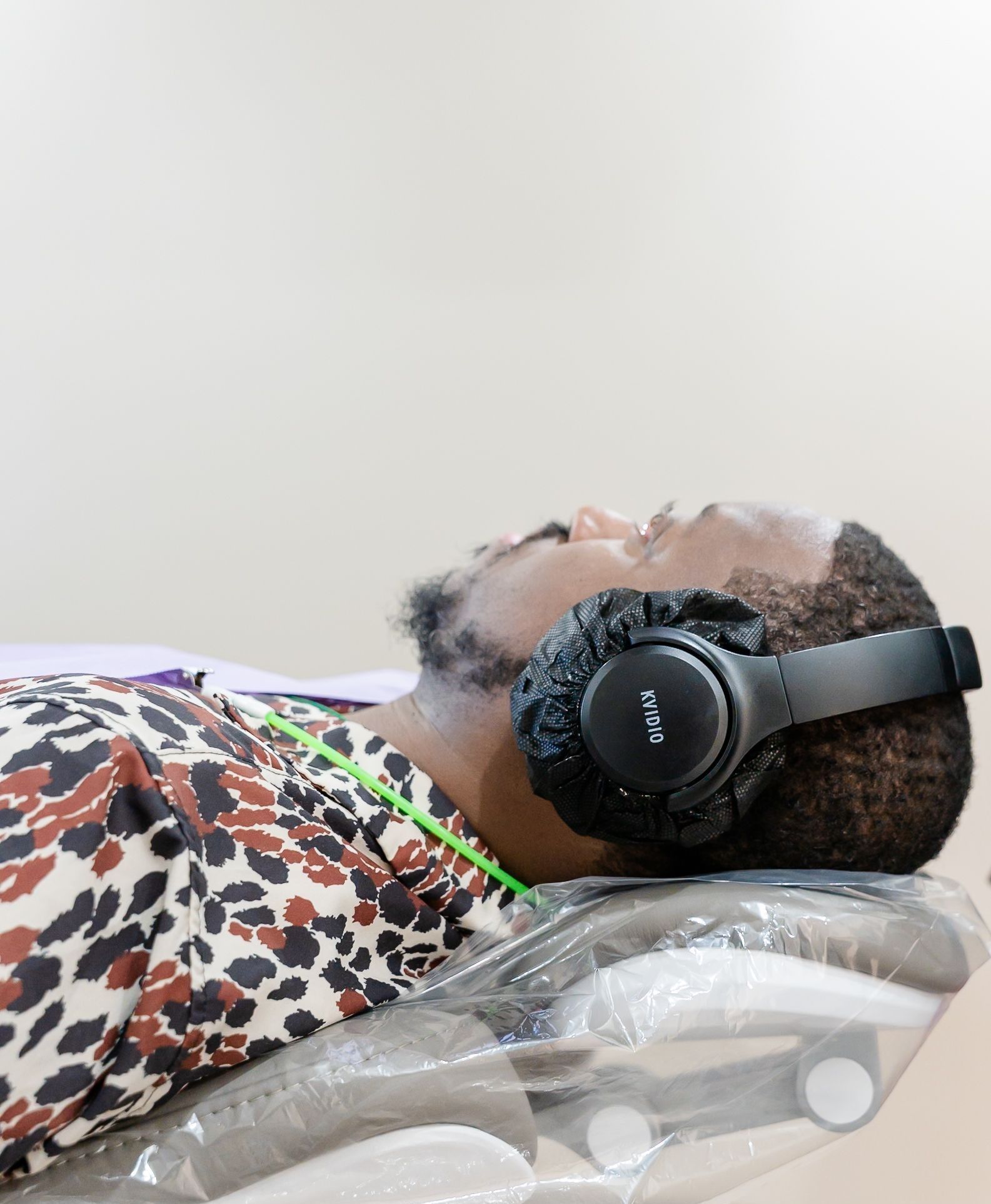
A relaxed patient reclines with headphones on at A-Z Sleep & Airway Center in Glen Allen, VA
By A-Z Sleep & Airway Center • October 15, 2026
Snoring is the sound of a body struggling for air. Learn when to get it checked and how we test and treat snoring in Glen Allen, VA. Call (804)-767-2507.
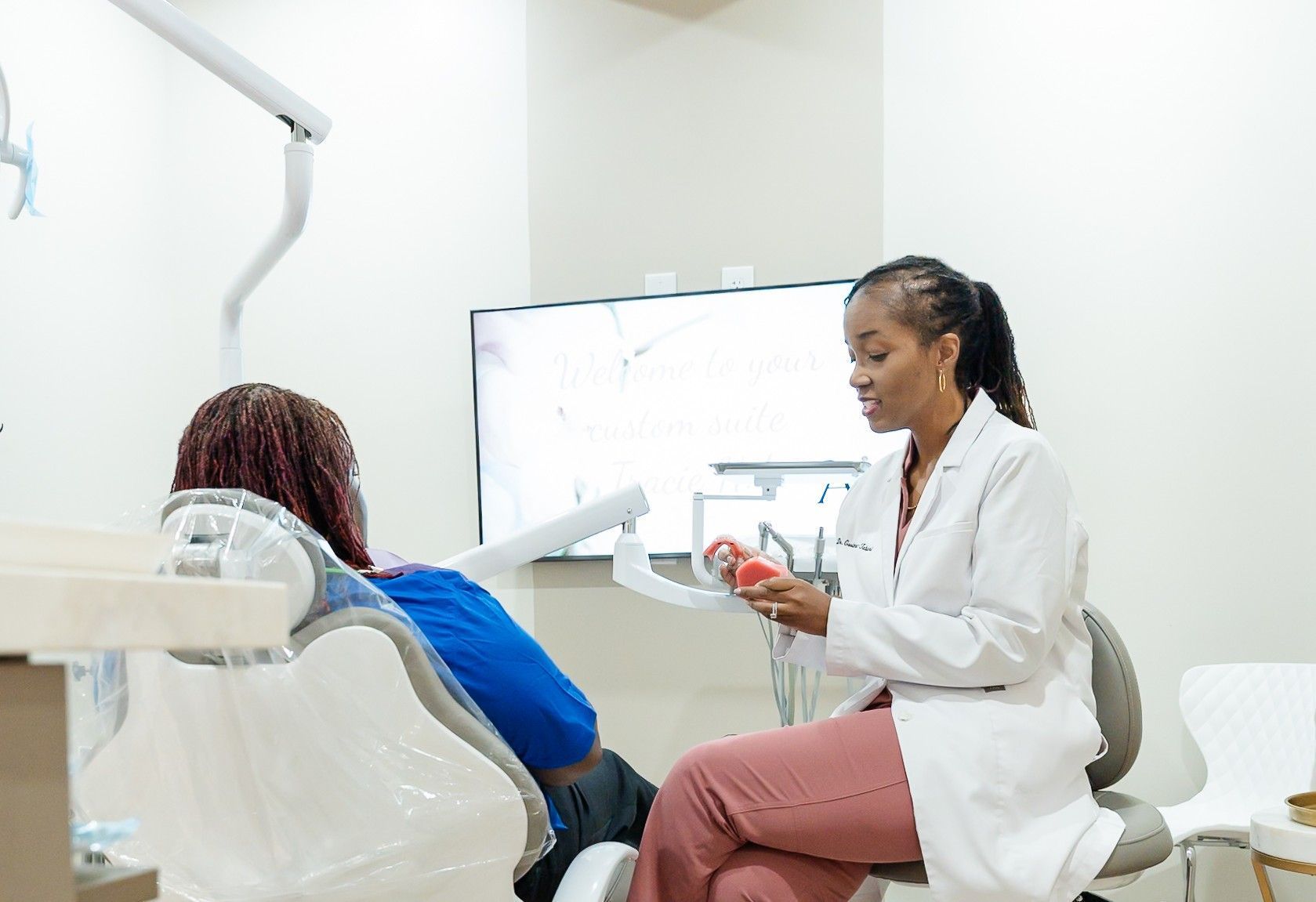
Oral appliance consultation at A-Z Sleep & Airway Center in Glen Allen, VA
By A-Z Sleep & Airway Center • October 8, 2026
Oral appliances for sleep apnea are billed to medical insurance, not dental. Learn what's covered and what you may pay for sleep care in Glen Allen, VA.
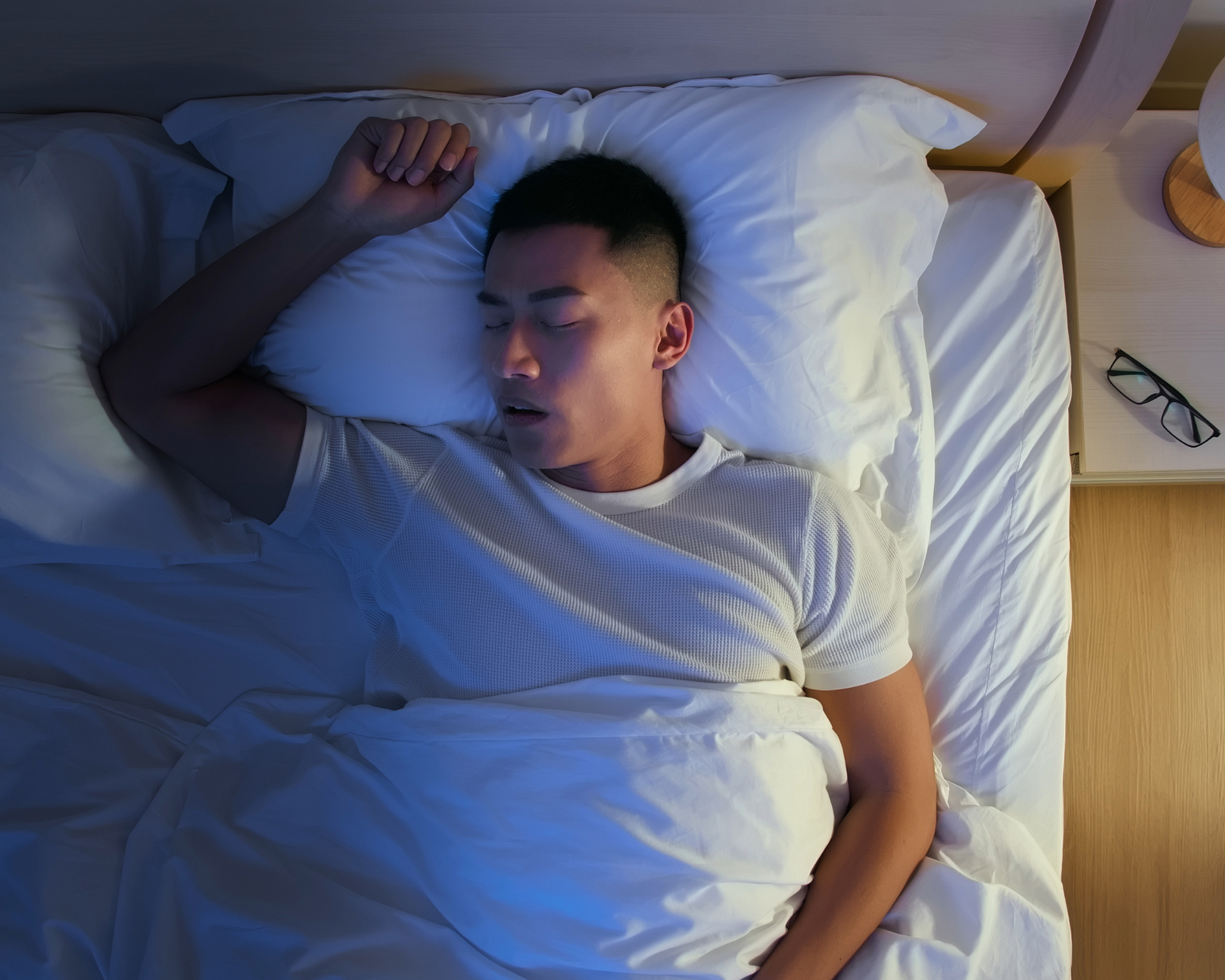
A man asleep on his back with his mouth open
By A-Z Sleep & Airway Center • October 6, 2026
Grinding and clenching at night often travel with snoring and sleep apnea. Why a night guard isn't the whole answer, from a Glen Allen sleep practice.
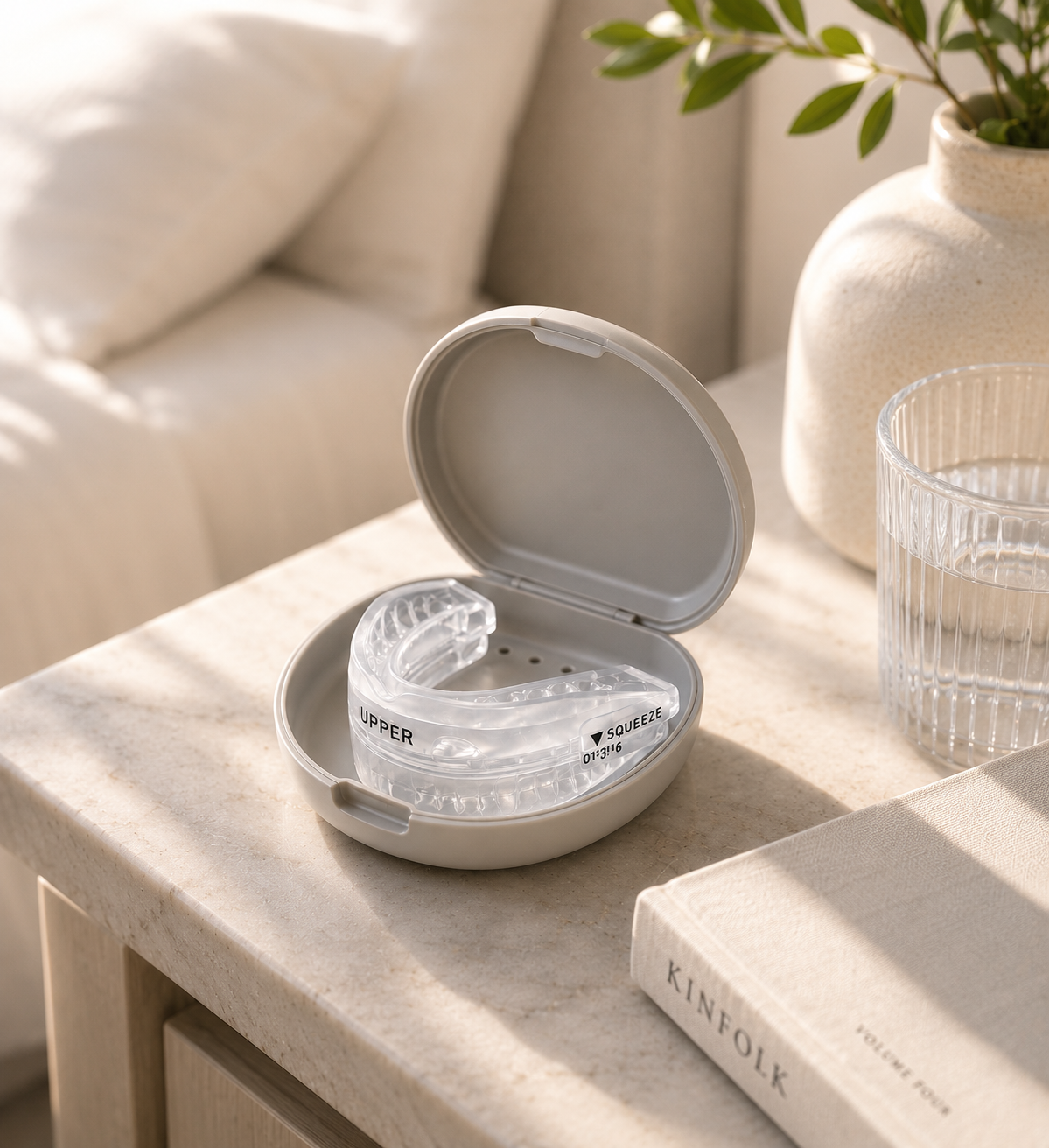
An oral sleep appliance in its open case on a bedside table
By A-Z Sleep & Airway Center • October 6, 2026
Sleep apnea and snoring appliances come in different designs for missing teeth, grinding and claustrophobia. How a Glen Allen sleep practice chooses yours.

A tired woman rests her head on her arm at the table, holding a coffee mug
By A-Z Sleep & Airway Center • October 6, 2026
Dr. Ashlee Goodman-Tabari has upper airway resistance syndrome. What UARS is, why a normal sleep test can miss it, and how it's treated in Glen Allen, VA.
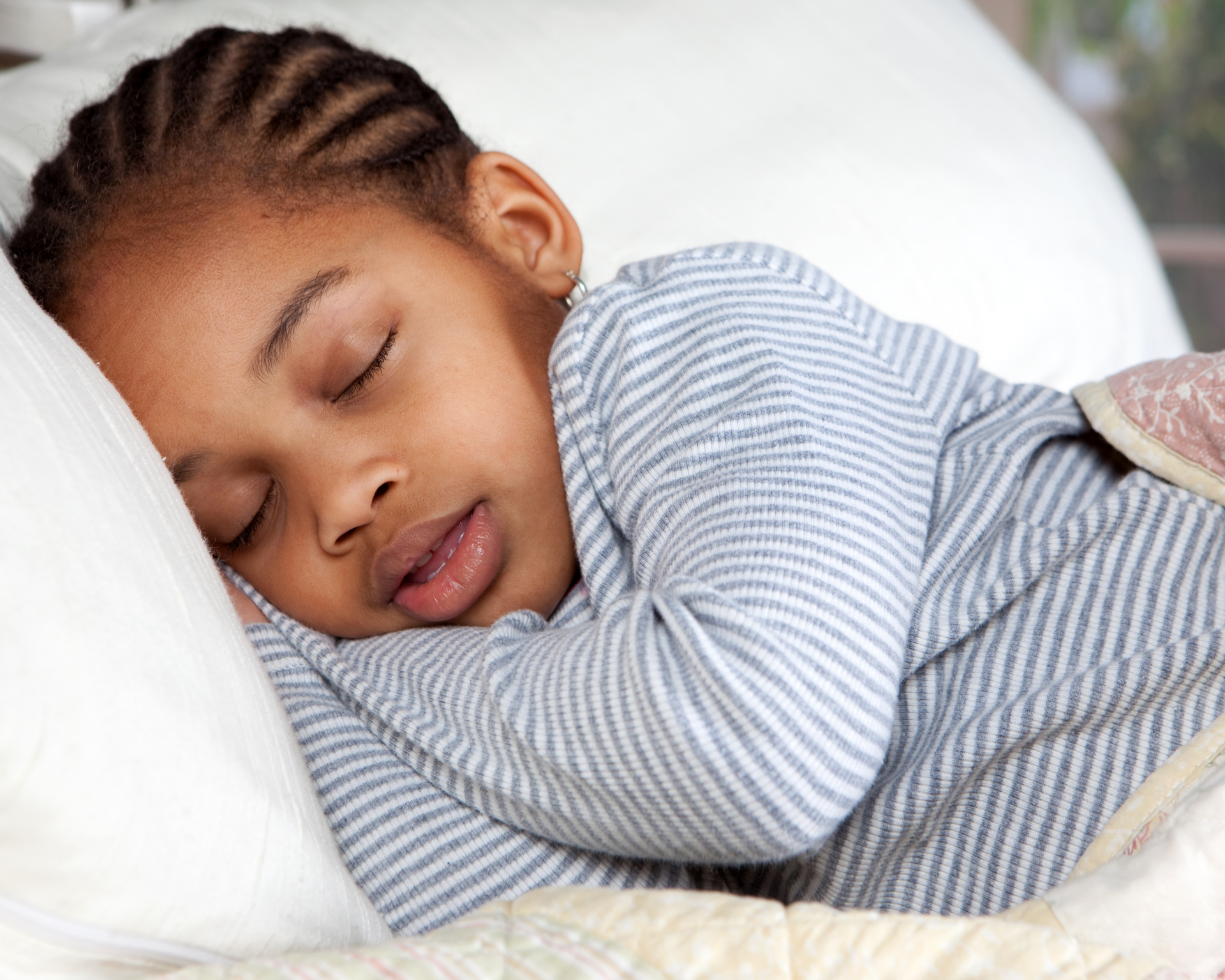
A young girl asleep in bed, breathing through her mouth
By A-Z Sleep & Airway Center • October 6, 2026
Why some people breathe through their mouth at night, how it connects to snoring and sleep apnea, and what a Glen Allen sleep practice checks for.

A tired man yawns at his desk with his hand on his forehead
By A-Z Sleep & Airway Center • October 5, 2026
Blood pressure that stays high despite medication can be linked to sleep apnea. How the two connect, and how to get tested, from a Glen Allen sleep practice.
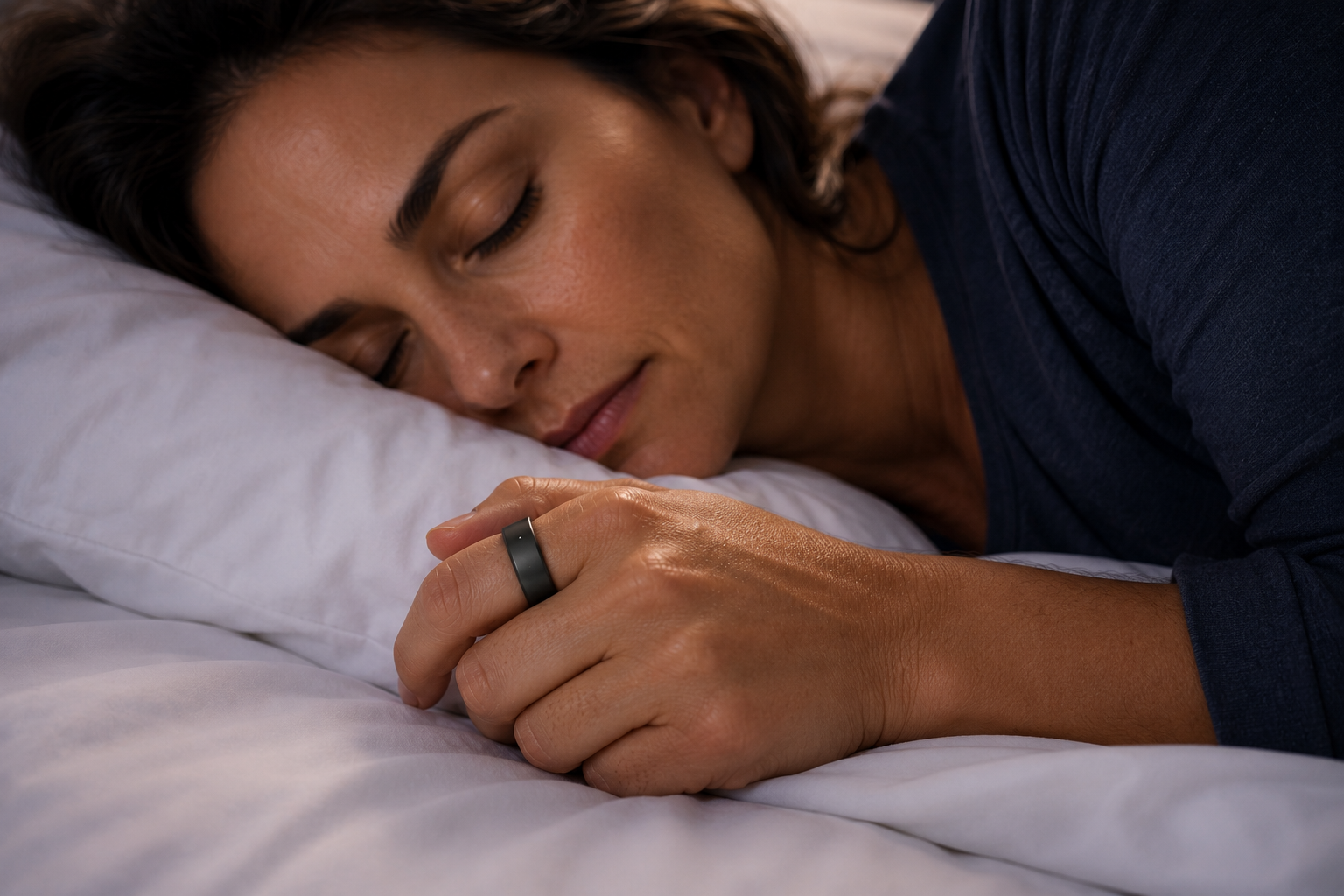
A woman asleep wearing a ring-style home sleep test on her finger
By A-Z Sleep & Airway Center • October 5, 2026
What your AHI number, oxygen readings and severity rating mean after a sleep study, and what comes next, from a Glen Allen sleep and airway practice.
Show More